
Bone Health Shouldn’t Begin at 60

Bone Health Shouldn’t Begin at 60

Bone Health Shouldn’t Begin at 60

Most of us don’t think much about our bones.

We think about our weight because we can see it.

We think about muscle because we can feel it.

We think about our skin because we look at it every morning.

Bones quietly do their work underneath all of it.

Until something happens.

A scan shows declining bone density.

Someone develops osteoporosis.

A seemingly ordinary fall causes a fracture.

Suddenly bone health becomes important.

But why wait until then?

Understand Your Body

Bone is living tissue.

Throughout life, bone is continuously being broken down and rebuilt.

We build much of our skeletal foundation earlier in life, while aging—and particularly hormonal changes associated with menopause—can accelerate bone loss.

That makes bone health a lifelong issue.

Genetics, age and hormonal changes aren’t things we can control.

But physical activity, nutrition, smoking, alcohol use and other lifestyle factors can influence bone health.

So the useful question becomes:

What can I still change?

Change What You Can

Begin by thinking beyond calcium.

Calcium matters.

But bone health is not a calcium-pill problem.

Bones respond to the forces we place on them.

Muscles matter because stronger muscles help us move, maintain balance and generate mechanical loading.

Balance matters because avoiding a fall is one way of avoiding a fracture.

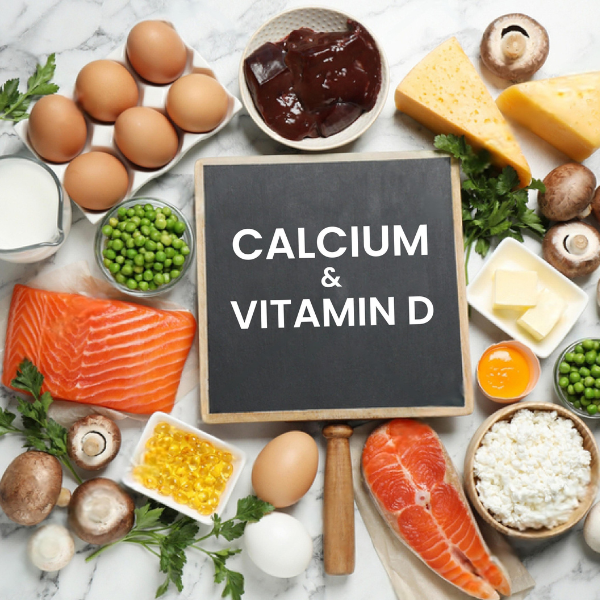
Vitamin D matters because it contributes to calcium absorption and bone health.

Protein matters.

And lifestyle matters.

Smoking and excessive alcohol consumption can work against bone health.

This is why one supplement can never represent a complete bone-health strategy.

Eat to Support It

Food first remains a useful principle.

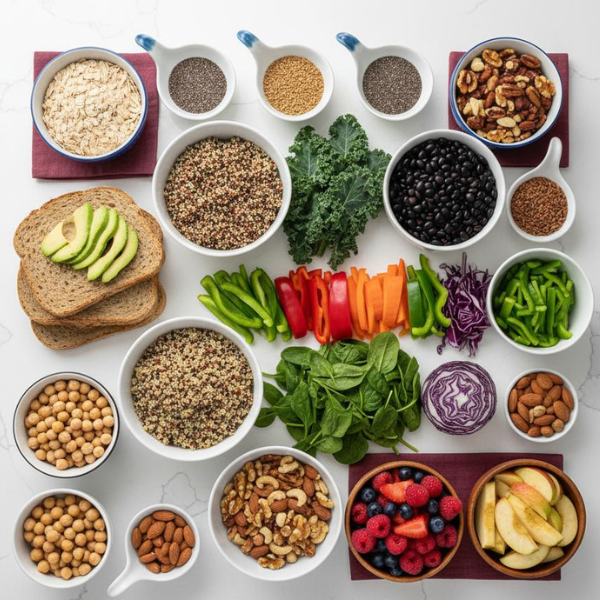
Calcium-containing foods can include dairy foods such as milk, curd/yogurt and some cheeses, as well as certain fortified foods and plant foods.

For people who don’t consume dairy, fortified alternatives and other calcium-containing foods become more important.

Vitamin D is somewhat different because it can be difficult to obtain sufficient amounts from food alone.

Individual needs can vary based on sun exposure, skin pigmentation, age, diet, health and other factors.

Rather than guessing, this can be a good conversation to have with a healthcare professional.

Don't Forget Protein

Bone doesn’t exist independently from muscle.

A diet that supports healthy aging should generally provide adequate protein alongside calcium-rich foods, vegetables, fruits and other nutrient-dense foods.
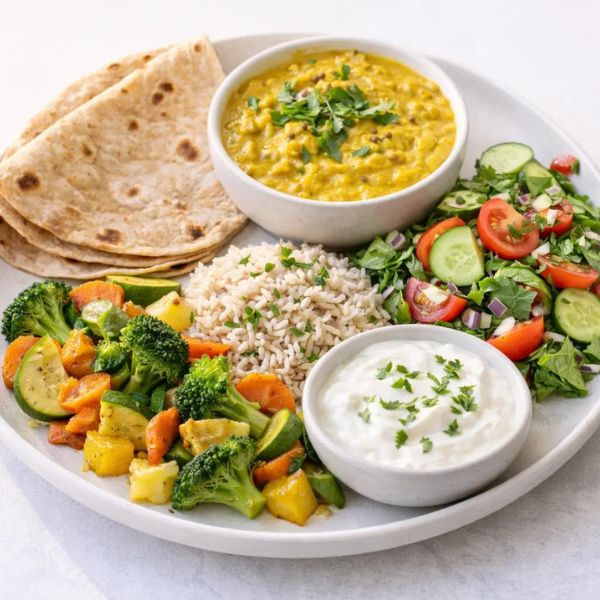
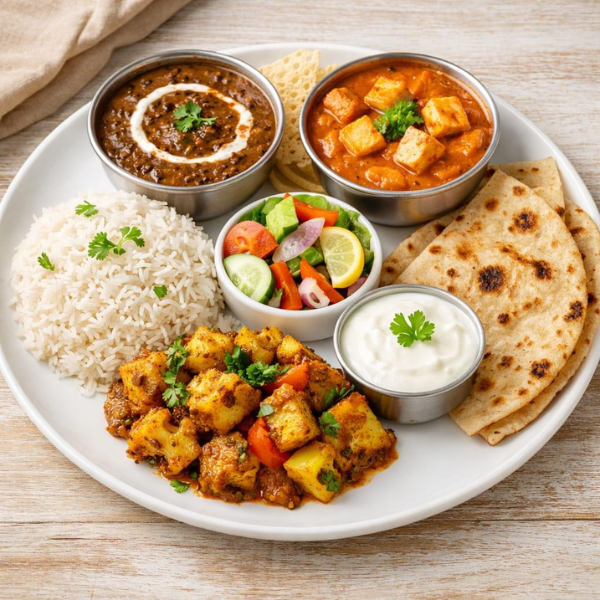
A Bone-Supportive Indian Day Might Include

Curd or another calcium-containing food.

Dal, beans, paneer, soy, eggs, fish or another protein.

Plenty of vegetables.

Whole grains.

Fruit.

Nuts and seeds.
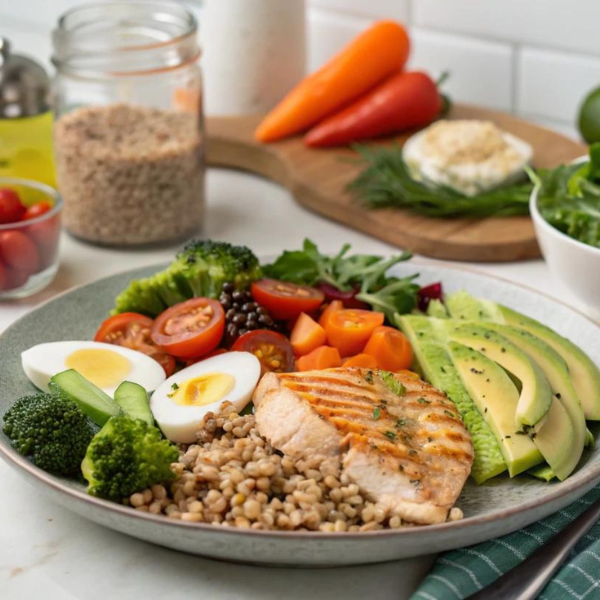
A U.S. Pattern Could Include

Milk, yogurt or fortified alternatives.

Beans, tofu, eggs, fish or poultry.

Vegetables.

Whole grains.

Fruit.

Nuts and seeds.

Again, the cuisines differ.

The nutritional principles don’t have to.
Move to Strengthen It

This is where bone health becomes more interesting.

Walking is valuable for overall health.

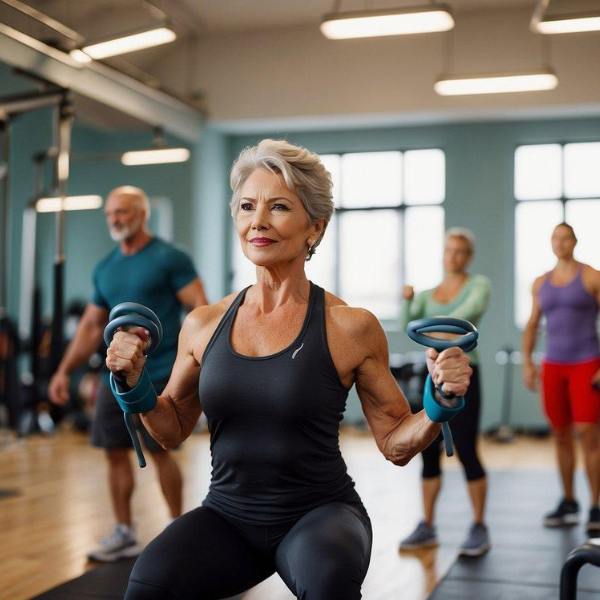
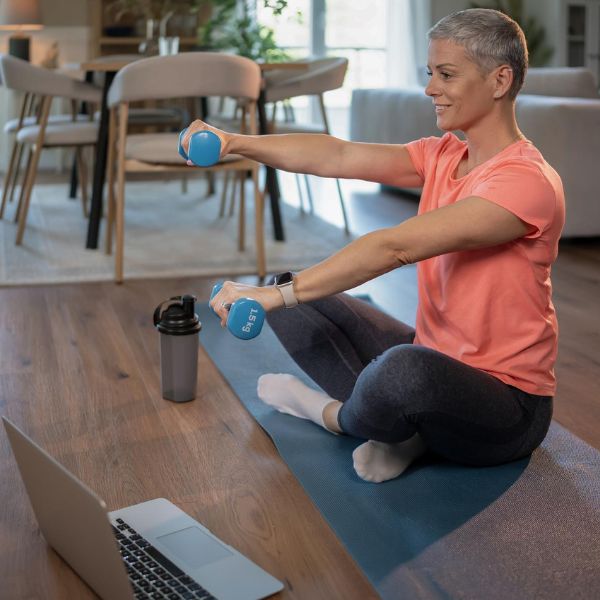
But bones also benefit from appropriate weight-bearing activity and resistance exercise.

Strength training gives muscles—and the skeletal system supporting them—a reason to adapt.

Depending on ability and medical status, activities can include:

walking;

stairs;

resistance training;

appropriate body-weight exercise;

and other weight-bearing activity.

Balance training becomes increasingly important too.

Because preventing fractures isn’t only about making bones stronger.

It’s also about reducing the chance of falling.

If you already have osteoporosis or significant bone loss, exercise selection becomes more important and should be guided appropriately.

Use Products Where They Genuinely Help

Products can help once we know what problem we’re solving.

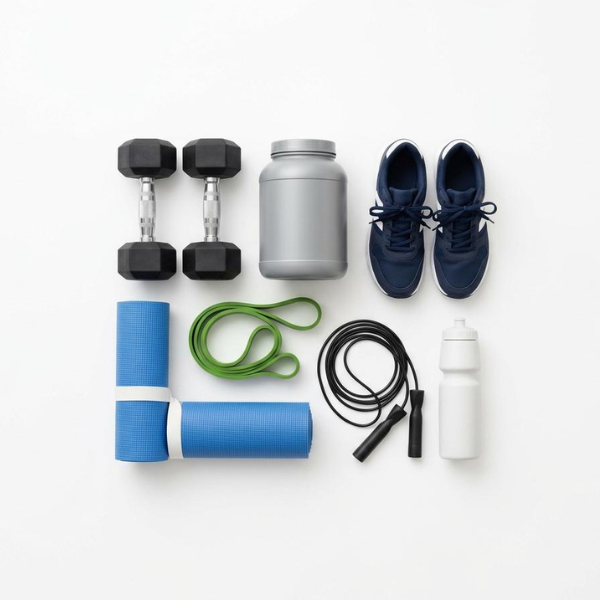
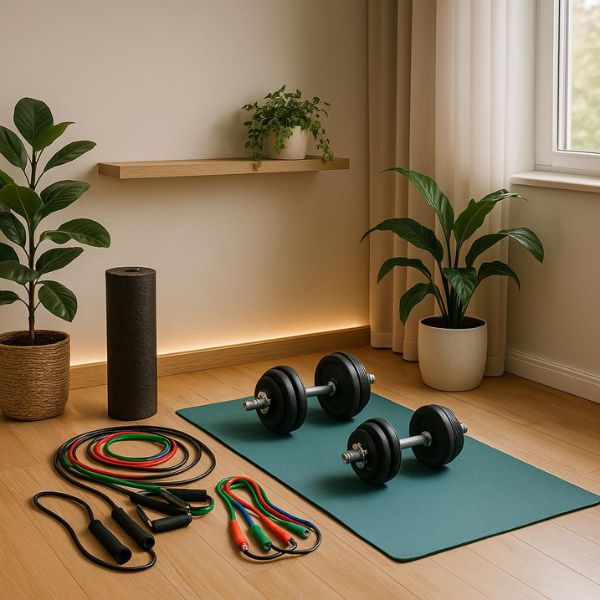
Resistance bands and weights can support strength training.

Supportive footwear can make regular movement more comfortable.

Calcium supplements can help when dietary intake is insufficient and supplementation is appropriate.

Vitamin D supplements can be useful when needed.

But more isn’t automatically better.

Taking large amounts of vitamins or minerals “just in case” isn’t the same as supporting health.

Know what you need.

Then fill the gap.

This is also an area where we can eventually recommend different products for India and the U.S. without changing the core article—because the health principle remains the same even when brands and retailers change.

Start Here This Week

Ask yourself three questions.

Am I regularly eating calcium-containing foods?

Am I doing any resistance or weight-bearing exercise?

Have I discussed bone-health screening with my healthcare provider when appropriate for my age and risk factors?

Then make one change.

Add a calcium-rich food.

Begin an appropriate strength routine.

Practice balance.

Take the stairs.

Schedule the conversation you’ve been postponing.

Our bones support almost everything we physically do.

Perhaps we shouldn’t wait until they become fragile before we return the favor.

**Bone health isn’t an old-age project.

It’s a lifetime investment.**

Bone-density screening, calcium and vitamin D needs and safe exercise recommendations depend on age, sex, medical history, medications and individual risk. People with osteoporosis or previous fractures should seek individualized professional guidance.
Blood Sugar and Everyday Eating: Why the Whole Meal Matters

Blood Sugar and Everyday Eating: Why the Whole Meal Matters

Blood Sugar and Everyday Eating: Why the Whole Meal Matters

Rice is bad.

Fruit has too much sugar.

Never eat carbohydrates at night.

Millets are good.

Bread is bad.

Don’t eat bananas.

Eat this before that.

The conversation around blood sugar has become so filled with rules that ordinary eating can begin to feel like a chemistry exam.

Perhaps we can simplify it.

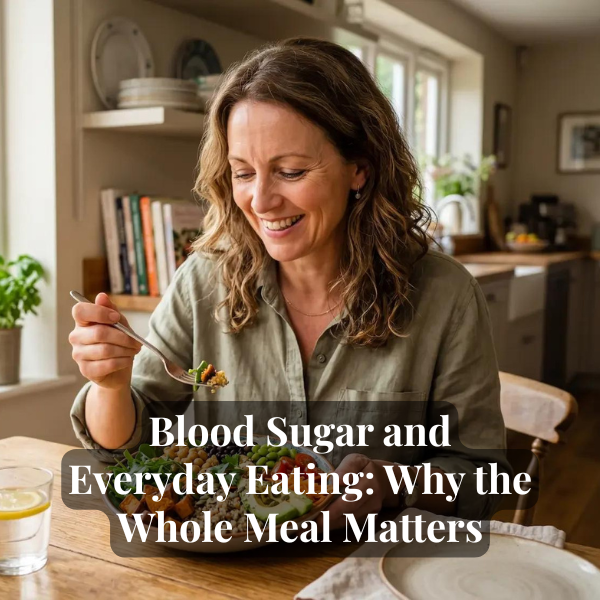
Instead of judging every food in isolation, start looking at the whole meal—and the whole lifestyle.

Understand Your Body

When we eat carbohydrate-containing foods, digestion converts much of that carbohydrate into glucose, which enters the bloodstream.

Insulin helps the body use and store that glucose.

That is normal physiology—not something we need to fear.

But the amount and type of carbohydrate, what we eat with it, our activity, sleep, metabolic health and other factors can influence our blood-glucose response.

This is particularly important for people with diabetes or prediabetes, who need individualized medical and nutritional guidance.

For everyone else, the broader lesson is useful:

Context matters.

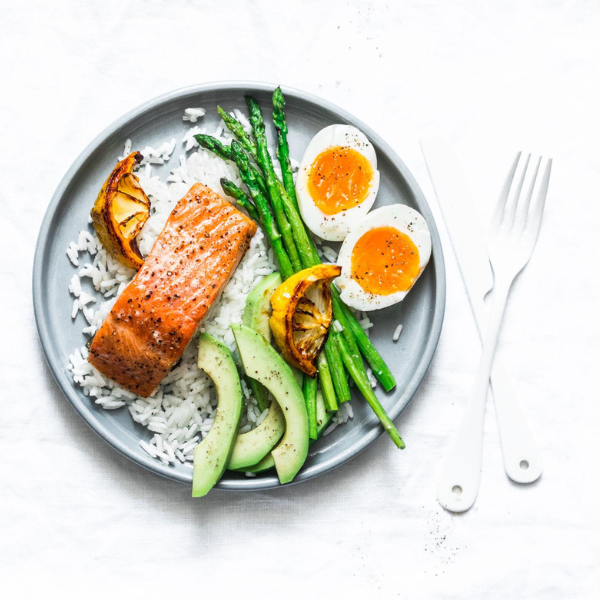
A bowl of refined carbohydrate eaten alone isn’t nutritionally identical to a balanced meal containing vegetables, protein, fiber-rich carbohydrate and healthy fat.

Change What You Can

Before eliminating rice, roti, fruit or every food you enjoy, look at your overall pattern.

Are vegetables a significant part of your meals?

Is there protein?

How large are portions of refined carbohydrates?

Are sugary beverages common?

Do you move after eating?

Are you sleeping adequately?

Are highly processed snacks filling the gaps between meals?

This changes the conversation from:

“Can I eat rice?”

to:

“What does my overall meal look like?”

That’s a much more useful question.

Eat to Support It

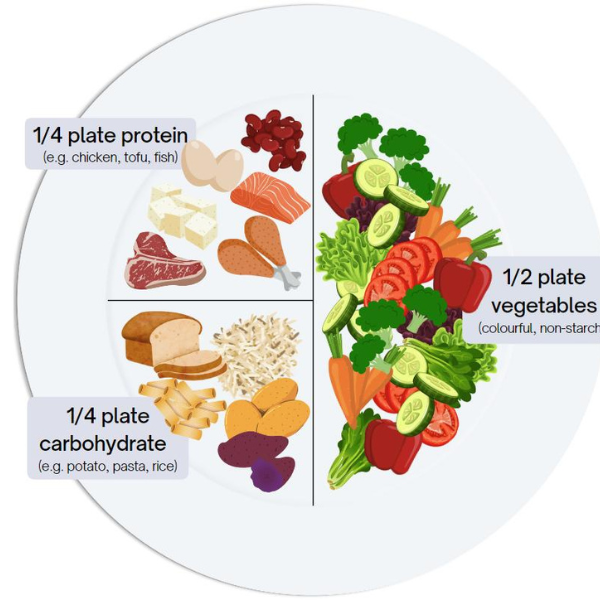
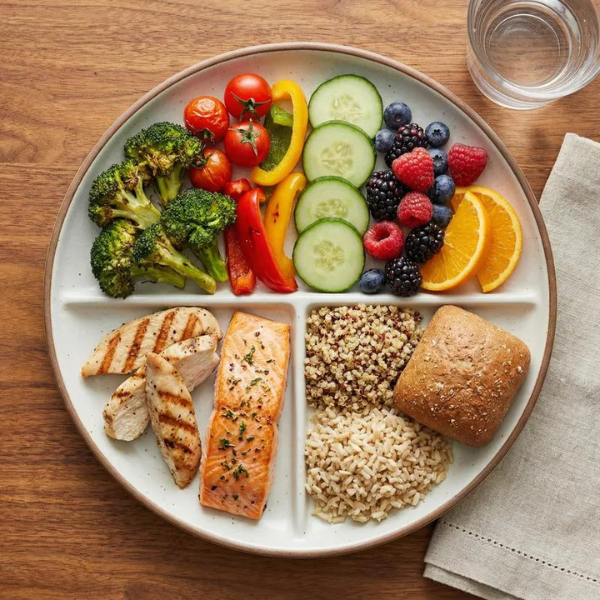
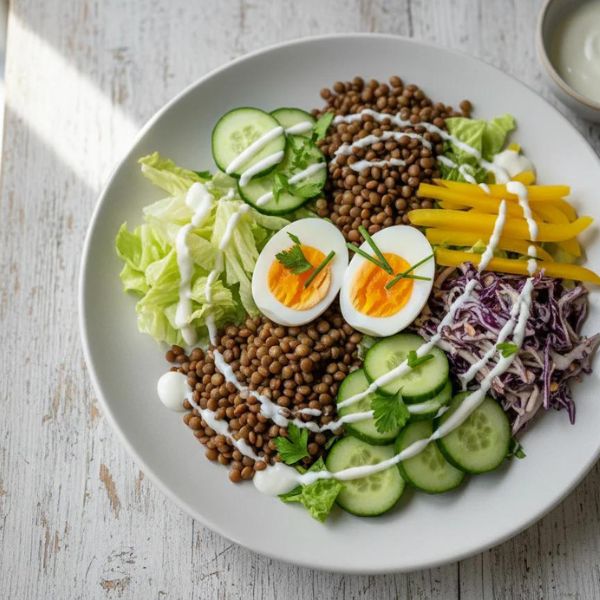
A simple plate framework can help.

Build the Plate

Approximately:

½ non-starchy vegetables

¼ protein

¼ carbohydrate-rich food

with healthy fats as appropriate.

That carbohydrate could be rice.

It could be roti.

It could be potatoes.

It could be quinoa.

It could be another grain.

The point isn’t that one carbohydrate is universally good and another universally bad.

Portion, processing, fiber, the rest of the meal and the individual’s health all matter.

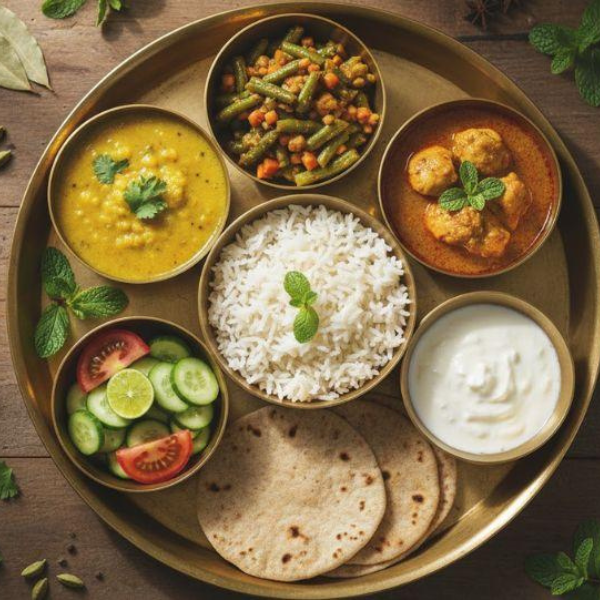
An Indian Example

Instead of a large plate dominated by rice with a little curry:

Increase the sabzi.

Include dal, beans, paneer, egg, fish or chicken.

Have an appropriate portion of rice or roti.

Add salad or another vegetable where practical.

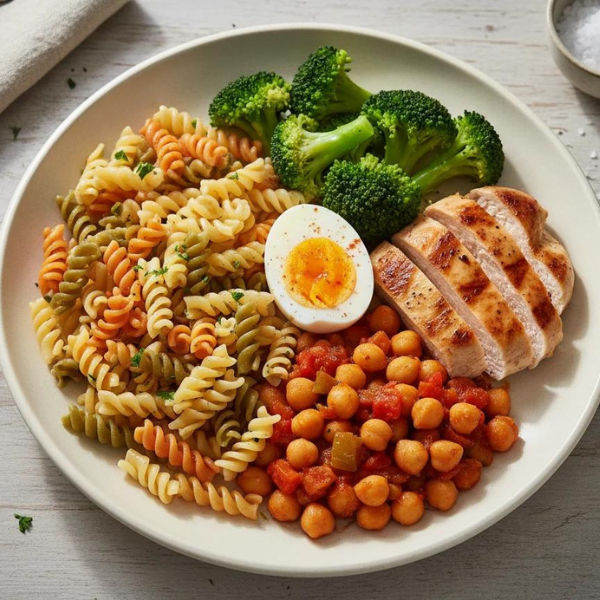
A U.S. Example

Instead of a large bowl of pasta alone:

Include a substantial serving of vegetables.

Add beans, fish, chicken, tofu or another protein.

Use an appropriate portion of pasta or another carbohydrate.

The idea is remarkably similar.

What About Fruit?

Whole fruit brings water, fiber and nutrients along with naturally occurring sugars.

That isn’t the same thing as drinking a large sugary beverage.

For most people, there is little reason to fear ordinary portions of whole fruit as part of a balanced eating pattern.

People managing diabetes may need more individualized guidance about portions, timing and medication.

Move to Strengthen It

Here’s one of the simplest lifestyle experiments:

Walk after a meal.

Muscles use glucose.

Regular physical activity improves metabolic health, and resistance training helps build metabolically active muscle tissue.

This gives us another reason to stop treating food as the only variable in blood-sugar health.

Nutrition matters.

So does movement.

So does muscle.

So does sleep.

So does overall body composition and health.

Use Products Where They Genuinely Help

This topic attracts an enormous number of products promising “blood sugar support.”

Be careful.

A supplement shouldn’t become permission to ignore the fundamentals.

Useful products may be much less glamorous:

a good pair of walking shoes;

resistance bands;

a kitchen tool that makes vegetable preparation easier;

whole-grain and minimally processed food choices;

or an appropriate glucose-monitoring device when medically indicated.

People diagnosed with diabetes should use monitoring devices, medications and supplements according to professional guidance rather than affiliate marketing.

No cinnamon capsule can compensate for an entire lifestyle.

Start Here This Week

Don’t ban carbohydrates.

Try changing their context.

Add vegetables to the plate.

Include protein.

Choose less-refined carbohydrate sources more often.

Watch portions.

Take a short walk after a meal when practical.

And if you have risk factors for diabetes or haven’t had appropriate screening, consider discussing it at your next healthcare visit.

Healthy eating doesn’t have to begin with fear.

It can begin with understanding how the pieces of the meal work together.

People with diabetes, prediabetes, hypoglycemia or other metabolic conditions should follow individualized medical and nutritional guidance. Medication should never be changed based on general wellness information.
What Changes in a Woman’s Body After 40 — and What Can We Do About It?

What Changes in a Woman’s Body After 40 — and What Can We Do About It?

What Changes in a Woman’s Body After 40 — and What Can We Do About It?

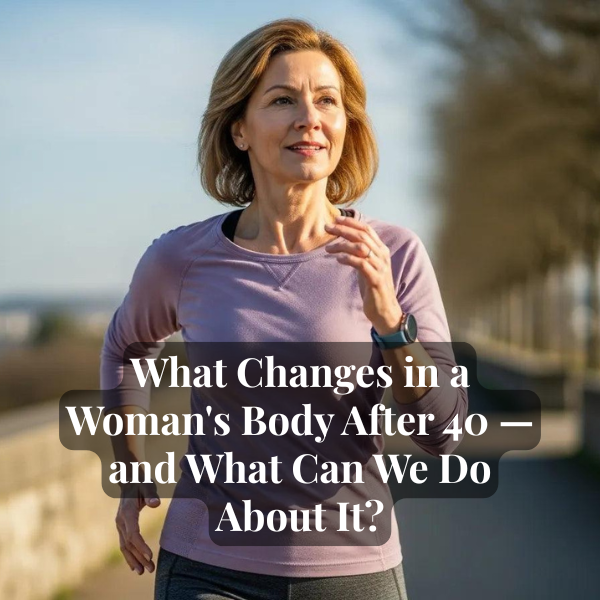
For many women, something begins to feel different sometime in their forties.

The routine that once kept their weight relatively stable doesn’t seem to work quite the same way.

Sleep may change.

Energy may fluctuate.

Muscle seems harder to maintain.

The body may store fat differently.

Skin changes.

Periods may change as perimenopause progresses.

And eventually someone says:

“Well, you’re getting older.”

Technically true.

Not particularly useful.

Perhaps a better response is:

Let’s understand what’s changing—and work with the body we have now instead of constantly trying to force it to behave like the body we had at 25.

Understand Your Body

The years surrounding menopause involve changes in reproductive hormones, particularly estrogen.

The experience varies tremendously from woman to woman.

Some women have significant hot flashes, sleep disruption, mood changes or menstrual changes. Others have relatively few symptoms.

At the same time, aging itself can contribute to gradual changes in muscle mass, bone density, body composition and metabolism.

This matters because midlife wellness shouldn’t be reduced to weight loss.

Muscle matters.

Bone matters.

Cardiovascular health matters.

Sleep matters.

Mental wellbeing matters.

And yes, feeling comfortable and confident in our changing body matters too.

Change What You Can

One of the least helpful things we can do is respond to midlife changes by simply eating less and exercising harder.

Instead, take inventory.

How well are you sleeping?

How much of your day is sedentary?

Are you doing resistance exercise?

Are you eating enough protein?

Are vegetables, fruits and fiber-rich foods regular parts of your meals?

Are you relying increasingly on alcohol or snacks to decompress from stress?

Are preventive screenings and routine healthcare up to date?

Some changes are hormonal.

But hormones don’t make lifestyle irrelevant.

They make supporting the body even more important.

Eat to Support It

Midlife isn’t the time to declare war on food.

It’s a time to become more intentional about nutritional quality.

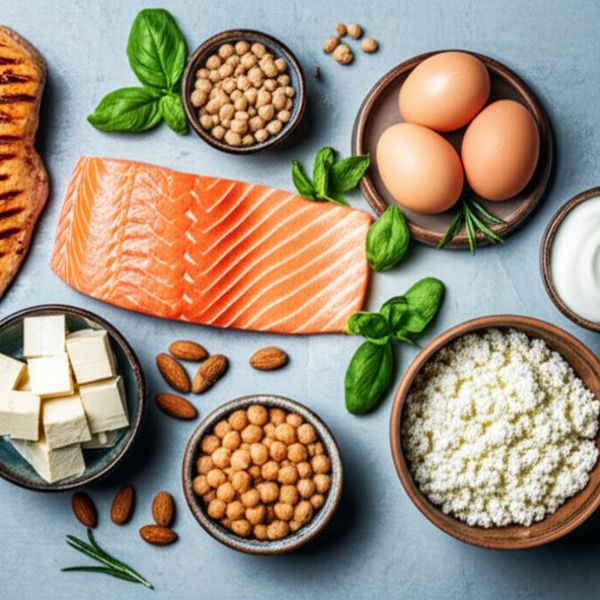
Begin With Protein

Include a meaningful protein source at meals rather than concentrating most of it at dinner.

Indian options include dal, beans, soy foods, paneer, curd, eggs, fish and poultry depending on dietary preference.

U.S. options can include beans, lentils, tofu, Greek yogurt, cottage cheese, eggs, fish and poultry.

Don't Forget Fiber

Vegetables, whole fruit, beans, lentils, whole grains, nuts and seeds support far more than digestion.

Think About Bone Nutrition

Calcium and vitamin D become increasingly important considerations, particularly around and after menopause.

Food sources can contribute substantially, while individual supplementation needs should be discussed with an appropriate healthcare professional rather than assumed.

A Simple Midlife Plate

Think:

½ vegetables

¼ protein

¼ quality carbohydrate

plus healthy fats and fruit according to your overall needs.

An Indian plate might contain sabzi + dal/paneer/fish/chicken + roti/rice + curd.

A Western plate might contain vegetables + beans/fish/chicken/tofu + quinoa/brown rice/potato + yogurt or fruit elsewhere in the day.

Different cuisine.

Same nutritional logic.

Move to Strengthen It

This may be the biggest mindset shift of all.

Don’t exercise only to burn calories.

Exercise to preserve muscle, bone, balance, cardiovascular fitness and independence.

Walking is excellent.

Keep walking.

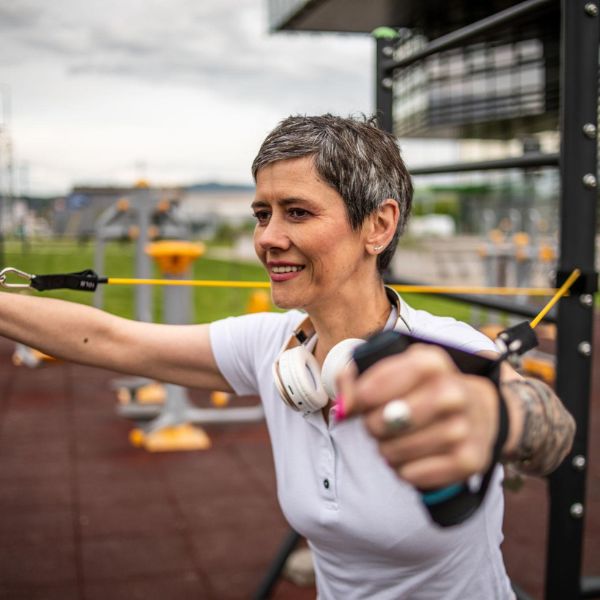
But add resistance.
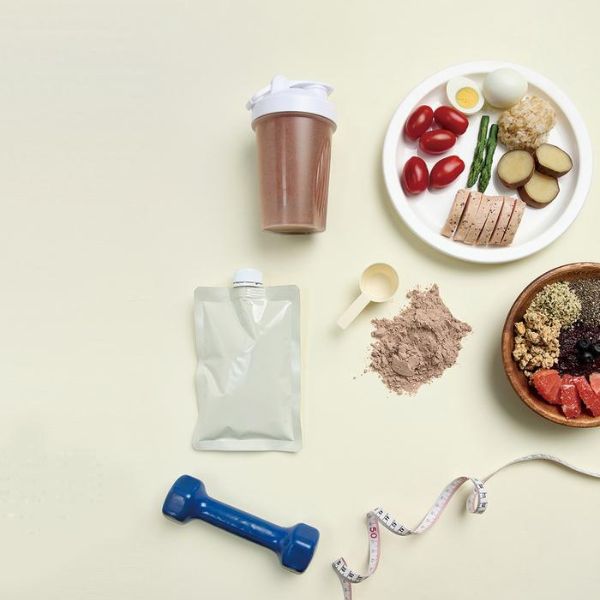
Weights.

Resistance bands.

Body-weight movements.

Appropriate gym machines.

Whatever allows you to progressively challenge your muscles safely.

Then add activities you actually enjoy.

Dance.

Hike.

Cycle.

Swim.

Play a sport.

Yoga can contribute mobility, balance and strength depending on the practice.

The objective isn’t to punish the body for changing.

It’s to train the body for what comes next.

Use Products Where They Genuinely Help

Now products have a clearer role.

Resistance bands and weights can make home strength training accessible.

Protein powders can provide convenience when dietary protein is difficult to achieve.

Calcium, vitamin D, B12, iron or other supplements may be appropriate for some women depending on diet, testing, health conditions and professional recommendations.

Supportive walking shoes can make daily movement easier.

Skincare products can address changing skin needs.

And menopause-specific products may help particular symptoms—but this is an area where marketing can easily outrun evidence.

Ask:

What specific need does this solve for me?

Midlife women don’t need to buy everything labeled “for women over 40.”

Start Here This Week

Instead of starting another diet, try three things.

Put a protein source into every major meal.

Do two sessions of some form of resistance exercise.

Protect your sleep as seriously as you protect your work commitments.

And make an appointment for any preventive care you’ve been postponing.

Forty isn’t the beginning of decline.

It can be the point where we stop taking our body’s resilience for granted—and begin deliberately building it.

Significant menstrual changes, persistent fatigue, severe menopausal symptoms or other new health concerns deserve appropriate medical evaluation. Individual nutritional and exercise requirements vary.

Strength Training Isn’t Just About Building Muscle

Strength Training Isn’t Just About Building Muscle

Strength Training Isn’t Just About Building Muscle

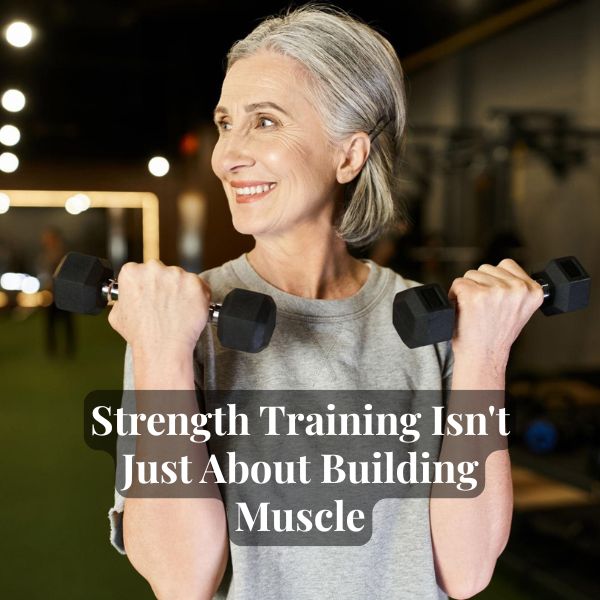
We often exercise to change how our body looks. What if we trained instead for what we want our body to keep doing?

For many people, particularly those who didn’t grow up around gyms, “strength training” still conjures a particular image:

Heavy weights.

Big muscles.

Bodybuilders.

Young men standing in front of mirrors.

But strength is much more ordinary—and much more important—than that.

Strength is carrying your suitcase through an airport.

Lifting a child.

Getting up from the floor.

Moving furniture.

Climbing stairs.

Maintaining balance when you stumble.

Carrying your own groceries when you’re 75.

Perhaps we need to stop thinking of muscle as something cosmetic and start thinking of it as something functional.

Understand Your Body

Muscle isn’t permanent simply because we built it when we were younger.

Without adequate physical challenge, muscle mass and strength tend to decline with age. Bone health also becomes increasingly important, particularly for women after menopause and for older adults generally.

The good news is that muscles respond to being challenged.

That doesn’t mean everyone needs to become a weightlifter.

It means the body needs reasons to remain strong.

Change What You Can

Begin by looking at your normal day.

How often do you lift something moderately challenging?

How often do you squat?

Push?

Pull?

Carry?

Reach?

Get down toward the floor?

Modern life has engineered many of these movements out of our routines.

We drive instead of walk.

Elevators replace stairs.

Machines carry loads.

Chairs keep us several feet above the ground.

Convenience isn’t inherently bad.

But when daily life stops challenging the body, deliberate exercise becomes more important.

Eat to Support It

Exercise provides the stimulus.

Food provides building materials.

Protein therefore deserves attention, particularly as we get older or begin resistance training.

Rather than obsessing over a single ideal number from the internet, start by asking whether each major meal contains a meaningful protein source.

Indian Protein Options

Dal and lentils.

Rajma and chana.

Soy foods.

Paneer and curd.

Milk, where appropriate.

Eggs.

Fish and poultry for those who eat them.

Nuts and seeds can contribute too, although they generally shouldn’t be treated as the sole primary protein source.

Other Familiar Options

Greek yogurt.

Cottage cheese.

Eggs.

Beans and lentils.

Tofu and tempeh.

Fish.

Chicken and other lean meats.

Protein-rich whole grains alongside legumes.

Build the rest of the plate with vegetables, fruit, quality carbohydrates and healthy fats.

You don’t need to eat like a bodybuilder.

You need to eat like someone asking their body to repair and maintain itself.

Move to Strengthen It

A basic strength routine doesn’t require a sophisticated gym.

The fundamental movements can be remarkably simple:

Sit and stand.

Push.

Pull.

Hinge.

Carry.

Step.

For a beginner, that might eventually translate into chair squats, wall or elevated push-ups, resistance-band rows, appropriate hip-hinge movements, carrying weights and step-ups.

Two or more strength-focused sessions per week can be a reasonable general goal for many adults, alongside aerobic activity, though individual needs and limitations vary.

Progress matters more than bravado.

The exercise should gradually become challenging enough that the body has a reason to adapt.

And technique matters.

If you’ve never trained before, getting qualified instruction can be far more valuable than buying complicated equipment.

Use Products Where They Genuinely Help

This is one wellness category where relatively inexpensive products can genuinely remove barriers.

Resistance bands make pulling and resistance exercises accessible at home.

Dumbbells or adjustable weights allow gradual progression.

A stable exercise mat makes floor exercises more comfortable.

Supportive footwear can make walking and certain forms of training more comfortable.

Protein powders can provide convenience when meeting protein needs with food is difficult—but they are food supplements, not muscle-building magic.

A useful question before buying any fitness product is:

Will this make me more likely to consistently perform the behavior I need?

If a resistance band sitting beside your desk gets used three times a week, it may be more valuable than an expensive machine sitting unused in another room.

Start Here This Week

Don’t begin with a transformation challenge.

Choose a few simple movements appropriate for your current ability.

Practice sitting and standing from a chair.

Take a purposeful walk.

Carry your groceries when practical.

Add a basic resistance exercise.

And notice what feels difficult.

That’s not failure.

That’s information.

It tells you where you have an opportunity to become stronger.

We spend decades accumulating financial assets because we want security later in life.

Perhaps muscle, balance, mobility and bone strength deserve to be thought of similarly.

They are physical assets.

And unlike many things we buy for the future, we get to enjoy these assets today.

People with osteoporosis, significant joint problems, cardiovascular conditions, recent injuries or other medical limitations should obtain appropriate guidance before beginning or substantially increasing resistance exercise.

Why Am I Tired All the Time?

Why Am I Tired All the Time?

Why Am I Tired All the Time?

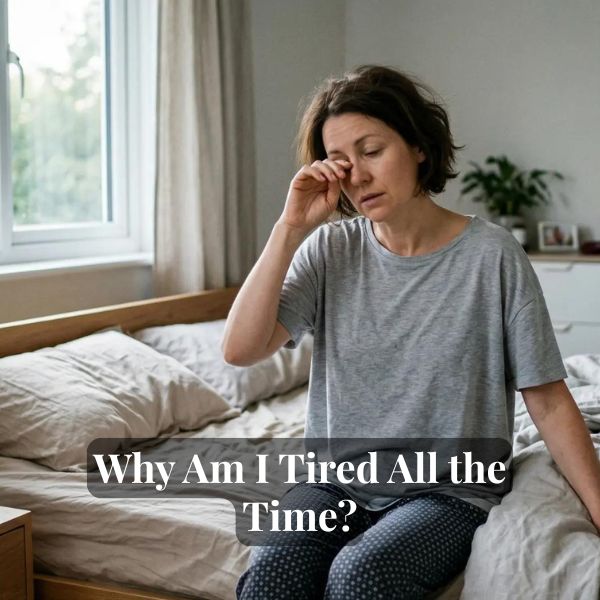
Sometimes we try to solve an energy problem with another cup of coffee when our body is asking for something else.

“I’m tired.”

It may be one of the most common descriptions of modern life.

We wake up tired.

Coffee gets us moving.

We sit for much of the day.

Afternoon energy crashes.

Something sweet or another coffee gets us through.

We finally reach evening exhausted—yet sometimes struggle to sleep properly.

And then we repeat the cycle.

Before searching for an energy supplement, let’s ask a more useful question.

Where does everyday energy actually come from?

Understand Your Body

Fatigue is not a diagnosis.

It is a signal with many possible explanations.

Sometimes the explanation is obvious: too little sleep, a stressful week, travel or unusual physical exertion.

Sometimes our daily habits contribute: inconsistent sleep, inadequate food, dehydration, very sedentary days or meals that leave us hungry again quickly.

And sometimes persistent fatigue has a medical explanation that deserves evaluation.

Iron deficiency, anemia, thyroid disorders, sleep disorders, infections, medication effects and other medical conditions can cause fatigue.

That’s why “just take this supplement” is poor advice for unexplained chronic tiredness.

First understand the problem.

Change What You Can

Before rebuilding your supplement cabinet, examine your week.

How much are you actually sleeping?

Not how long are you in bed—how much restorative sleep are you getting?

Are you drinking water regularly?

Do you see daylight in the morning?

Do you move during the day?

Are you eating actual meals—or surviving on tea, coffee and snacks until evening?

Are you constantly mentally stimulated but physically inactive?

There is a strange feature of modern fatigue:

Sometimes we feel too tired to move because we haven’t moved enough.

A sedentary body can feel sluggish even after doing very little physical work.

Eat to Support It

Instead of looking for “energy foods,” build meals that provide sustained nourishment.

A useful framework is:

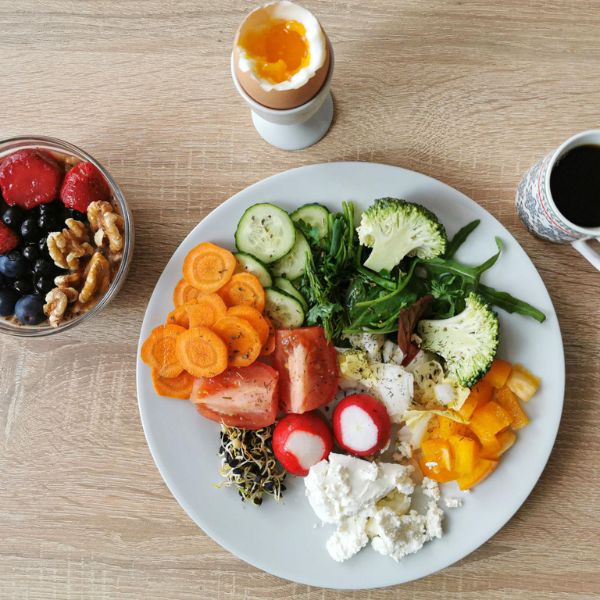
Protein + fiber-rich carbohydrate + vegetables/fruit + healthy fat.

Compare a sweet tea and biscuits with something like eggs and vegetables, moong chilla with curd, or yogurt with fruit, nuts and seeds.

The second approach provides a more substantial mixture of nutrients.

A Balanced Energy Day

Morning

India: eggs with vegetables; moong/besan chilla with curd; or another protein-containing breakfast.

US: eggs and whole-grain toast; Greek yogurt with fruit and nuts; or oatmeal combined with a meaningful protein source.

Lunch

India: dal/rajma/chana or another protein + vegetables + roti/rice + salad/curd.

US: beans, fish, poultry, tofu or lentils + vegetables + a whole grain.

Afternoon

Instead of automatically reaching for sugar when energy falls, experiment with fruit paired with nuts, yogurt, roasted chana or another protein/fiber-containing snack.

And drink some water.

Sometimes the simplest intervention is embarrassingly simple.

Move to Strengthen It

Don’t wait until you “have energy” to become active.

Movement itself can become part of the process of rebuilding capacity.

Start small.

Walk for ten minutes.

Get outside.

Stand during a phone call.

Take stairs when appropriate.

Break long periods of sitting.

Then gradually add structured aerobic activity and strength training.

The objective isn’t to exhaust an already tired body.

It is to remind it that it was designed to move.

Use Products Where They Genuinely Help

Now we can consider products.

A reusable water bottle may help someone hydrate consistently.

A fitness tracker may reveal just how sedentary the day has become.

A protein powder may help someone who genuinely struggles to meet protein needs through meals.

Iron, B12, vitamin D or other supplements can be useful when there is an actual deficiency or appropriate clinical reason.

Notice the difference.

We aren’t saying:

“You’re tired. Buy this.”

We’re saying:

“Understand why you’re tired, address the foundations, and use a product if it solves a genuine remaining problem.”

That is a much healthier relationship with wellness products.

Start Here This Week

For seven days, track just four things:

Sleep.

Water.

Meals.

Movement.

Don’t try to perfect them.

Look for patterns.

If your fatigue remains significant despite reasonable sleep, nutrition and activity—or is persistent, worsening or accompanied by other symptoms—talk with a healthcare professional.

Your body may be telling you something worth investigating.

But if the answer turns out to be that you’ve been sleeping six hours, drinking four cups of coffee, skipping lunch and sitting for ten hours?

You may not need a new wellness product.

You may need a different Tuesday.

Persistent or unexplained fatigue can have medical causes and should not be self-diagnosed solely as a lifestyle issue.