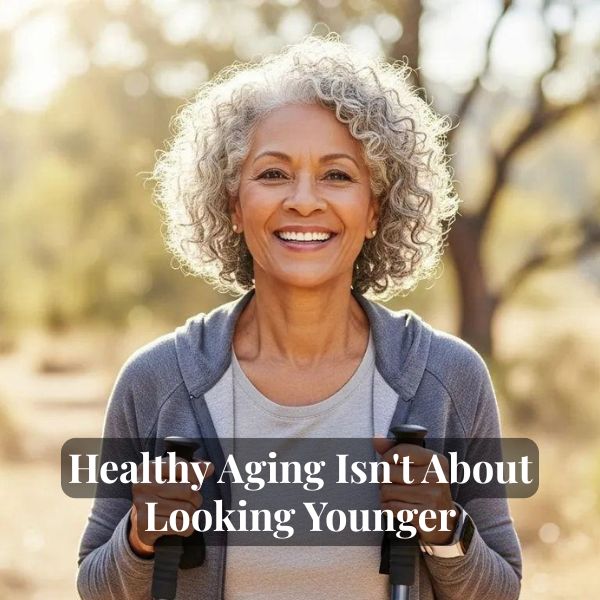
Healthy Aging Isn’t About Looking Younger
Healthy Aging Isn’t About Looking Younger
Perhaps the better question isn’t how young we look. It is how capable we remain.
When we talk about aging, appearance often dominates the conversation.
Wrinkles.
Gray hair.
Skin elasticity.
Weight.
There is nothing wrong with wanting to look good. Taking care of our skin and appearance can be part of taking care of ourselves.
But imagine redefining successful aging.
Can I comfortably get down on the floor and get back up?
Can I carry my groceries?
Can I climb stairs without becoming exhausted?
Can I travel?
Can I maintain balance?
Can I continue doing the work and activities I love?
Can I live independently?
Those questions tell us something that a mirror cannot.
Understand Your Body
As we age, several changes can gradually occur, including loss of muscle mass and strength and changes in bone density, metabolism, balance and recovery.
But aging and deterioration are not synonymous.
Many of the factors that influence how we function later in life are things we can begin working on much earlier.
The goal therefore isn’t to fight age.
It is to preserve capacity as we age.

Change What You Can
Start by reconsidering what “taking care of yourself” means.
It isn’t only skincare.
It isn’t only weight.
It isn’t only getting an annual physical.
It is also maintaining the physical abilities that allow us to participate in life.
That means paying attention to sleep, daily movement, nutrition, stress, alcohol and tobacco exposure, social connection and preventive healthcare.
And one habit deserves particular attention:
Stop making sitting the default position of life.
Many of us sit while commuting, working, eating, relaxing and socializing.
Modern life has removed much of the movement previous generations performed without calling it exercise.
We may therefore have to deliberately put movement back.
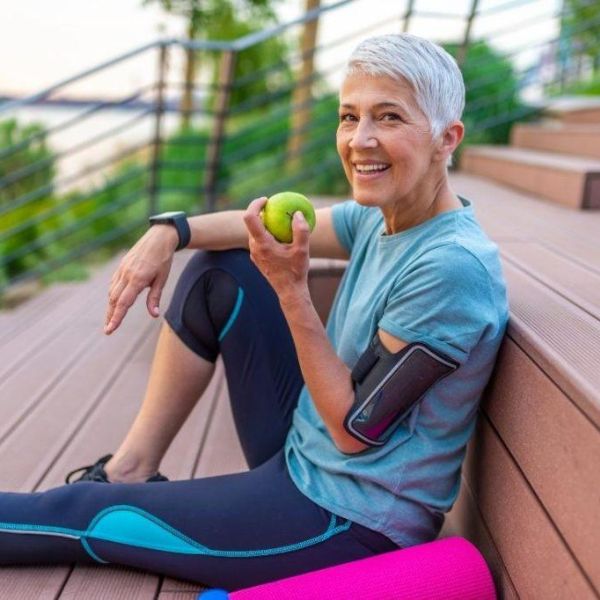
Eat to Support It
Healthy aging requires adequate nutrition, not simply fewer calories.
Protein becomes particularly important because maintaining muscle depends on both the stimulus of resistance exercise and adequate nutrition.
Instead of leaving most protein until dinner, consider including a meaningful protein source throughout the day.
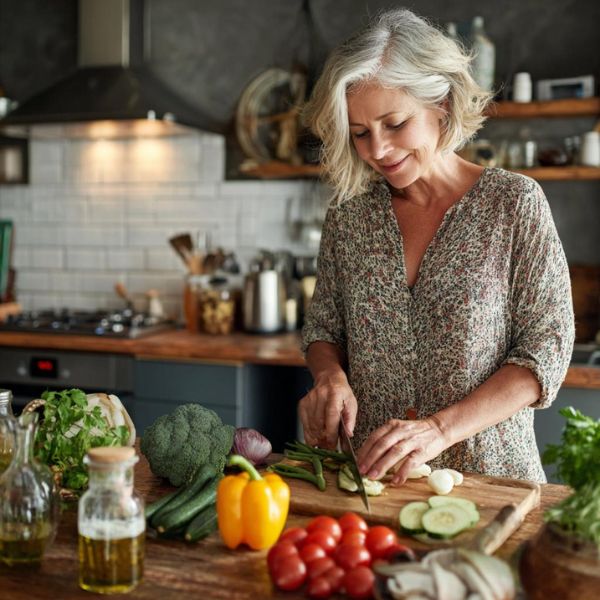
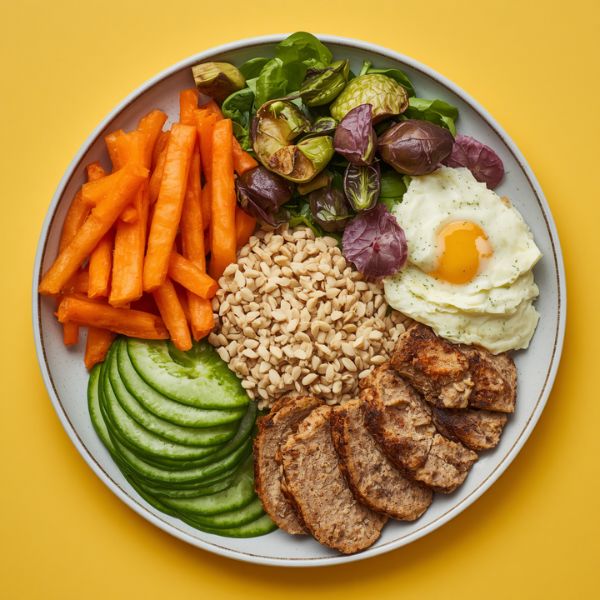
Build a Healthy-Aging Plate
Think:
½ vegetables and fruit
¼ protein-rich foods
¼ whole grains or other quality carbohydrate
plus healthy fats according to your individual needs.
For an Indian meal, that could mean dal, beans, paneer, curd, eggs, fish or chicken alongside sabzi, salad and roti or rice.
For a Western-style meal, it could mean beans, lentils, tofu, eggs, Greek yogurt, fish, poultry or another protein alongside vegetables and whole grains.
Plant-based diets can absolutely provide protein, but they require some intention—particularly when appetite decreases or protein needs are higher.
Calcium, vitamin D, B12, iron and other nutrients may also deserve attention depending on age, diet, medications and individual health circumstances.
That’s where personalized healthcare becomes more useful than generalized supplement advice.
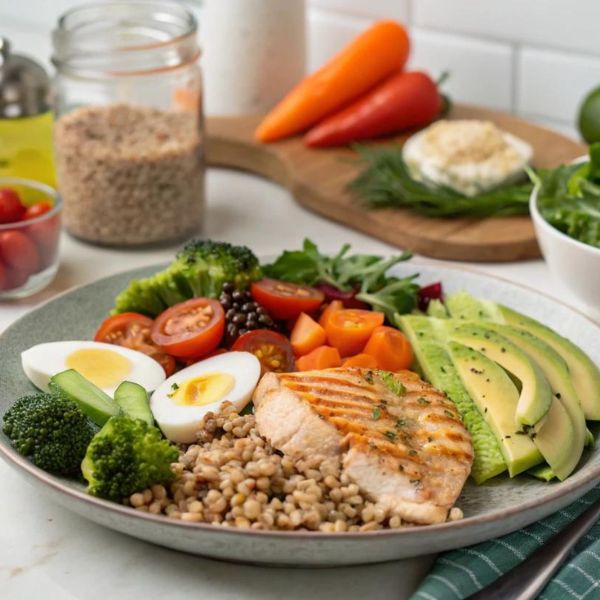
Move to Strengthen It
If there were one section of this article I would want readers to remember, it would be this one.
Train for the life you want to keep living.
Walking is wonderful.
But walking alone doesn’t challenge every physical capacity we want to preserve.
Consider combining:
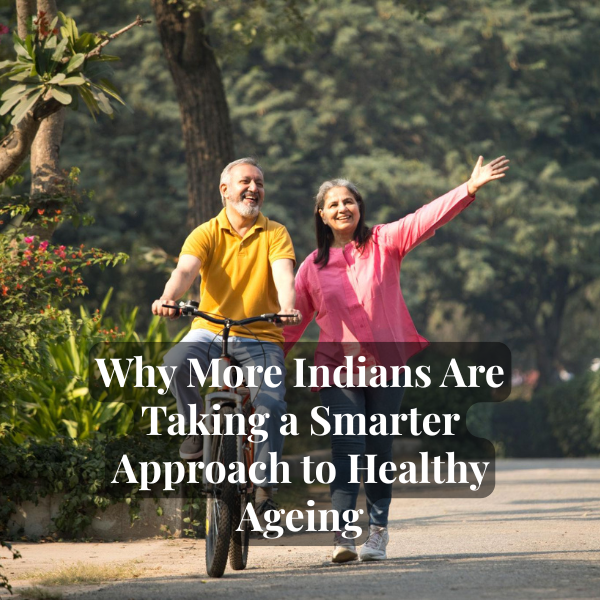
Aerobic activity — walking, cycling, swimming, dancing.
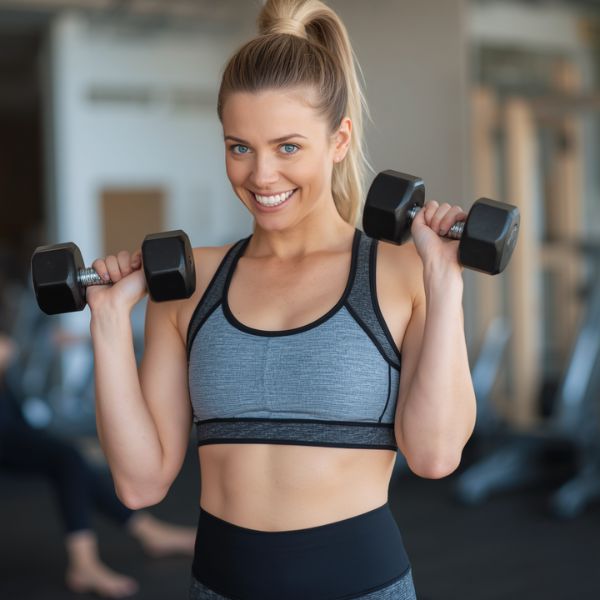
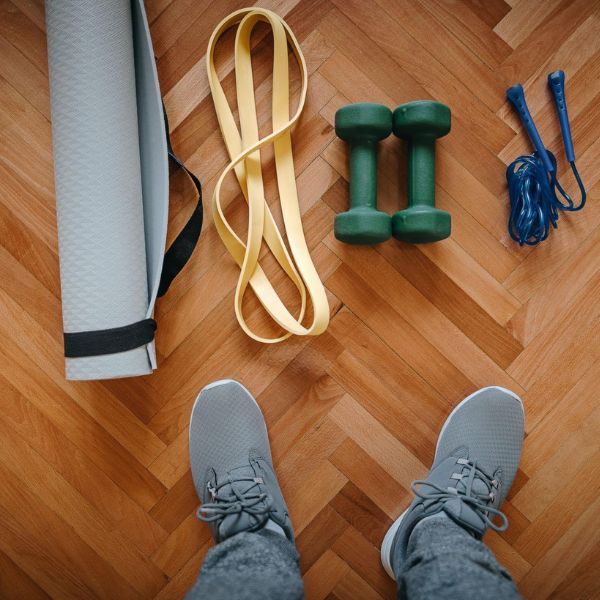
Strength — weights, resistance bands or body-weight exercises.
Balance — exercises that safely challenge stability.
Mobility — maintaining comfortable movement through useful ranges of motion.
Think of strength training less as bodybuilding and more as retirement planning for your body.
We save money today because we expect to need financial resources later.
Why wouldn’t we build physical reserves for the same reason?
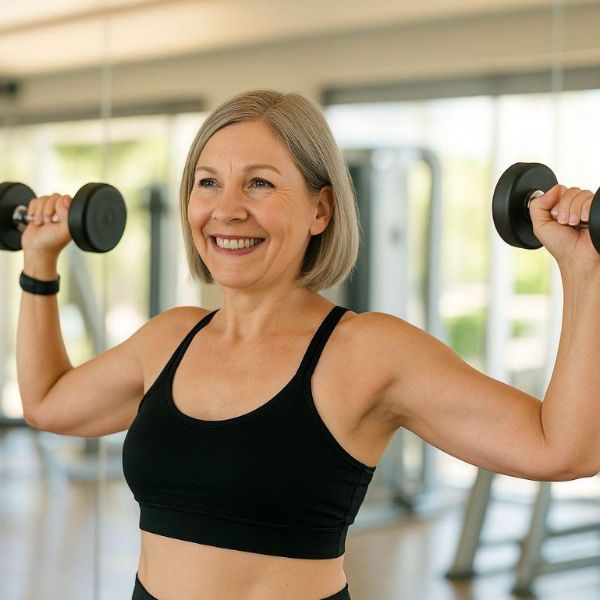
Use Products Where They Genuinely Help
Products should support this lifestyle—not become the lifestyle.
Useful categories might eventually include:
resistance bands;
adjustable weights;
supportive walking shoes;
protein-rich convenience foods;
protein powders where food intake is insufficient or convenience matters;
vitamin D, calcium, B12 or other supplements when dietary intake, testing or professional guidance indicates a need;
and, yes, skincare products that protect and support aging skin.
Sunscreen, for example, has a much clearer role in healthy skin aging than chasing every new beauty trend.
But no anti-aging product can replace muscle strength, cardiovascular fitness, nutritious food, sleep and movement.
Start Here This Week
Choose three simple measurements of capability.
Perhaps:
How long can I comfortably walk?
Can I repeatedly stand from a chair without using my hands?
Am I doing any form of resistance exercise?
Don’t use the answers to criticize yourself.
Use them as your starting point.
Because healthy aging isn’t about trying to become the person you were at 25.
It is about helping the person you will be at 65, 75 and 85 remain as strong, mobile, engaged and independent as possible.
**Don’t just add years to your life.
Keep building life into your years.**
Exercise and nutritional needs vary considerably with health status, age and medications. People with medical conditions or significant mobility limitations should seek appropriate professional guidance before substantially changing diet or exercise.