

What Changes in a Woman’s Body After 40 — and What Can We Do About It?
For many women, something begins to feel different sometime in their forties.
The routine that once kept their weight relatively stable doesn’t seem to work quite the same way.
Sleep may change.
Energy may fluctuate.
Muscle seems harder to maintain.
The body may store fat differently.
Skin changes.
Periods may change as perimenopause progresses.
And eventually someone says:
“Well, you’re getting older.”
Technically true.
Not particularly useful.
Perhaps a better response is:
Let’s understand what’s changing—and work with the body we have now instead of constantly trying to force it to behave like the body we had at 25.
Understand Your Body
The years surrounding menopause involve changes in reproductive hormones, particularly estrogen.
The experience varies tremendously from woman to woman.
Some women have significant hot flashes, sleep disruption, mood changes or menstrual changes. Others have relatively few symptoms.
At the same time, aging itself can contribute to gradual changes in muscle mass, bone density, body composition and metabolism.
This matters because midlife wellness shouldn’t be reduced to weight loss.
Muscle matters.
Bone matters.
Cardiovascular health matters.
Sleep matters.
Mental wellbeing matters.
And yes, feeling comfortable and confident in our changing body matters too.

Change What You Can
One of the least helpful things we can do is respond to midlife changes by simply eating less and exercising harder.
Instead, take inventory.
How well are you sleeping?
How much of your day is sedentary?
Are you doing resistance exercise?
Are you eating enough protein?
Are vegetables, fruits and fiber-rich foods regular parts of your meals?
Are you relying increasingly on alcohol or snacks to decompress from stress?
Are preventive screenings and routine healthcare up to date?
Some changes are hormonal.
But hormones don’t make lifestyle irrelevant.
They make supporting the body even more important.

Eat to Support It
Midlife isn’t the time to declare war on food.
It’s a time to become more intentional about nutritional quality.

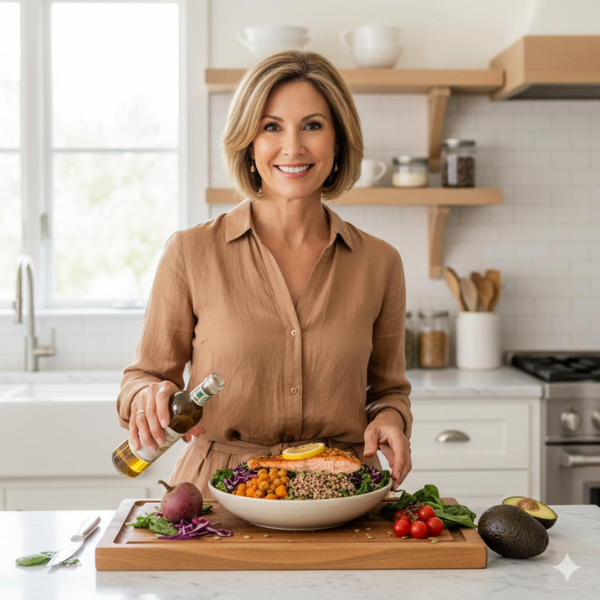
Begin With Protein
Include a meaningful protein source at meals rather than concentrating most of it at dinner.
Indian options include dal, beans, soy foods, paneer, curd, eggs, fish and poultry depending on dietary preference.
U.S. options can include beans, lentils, tofu, Greek yogurt, cottage cheese, eggs, fish and poultry.
Don't Forget Fiber
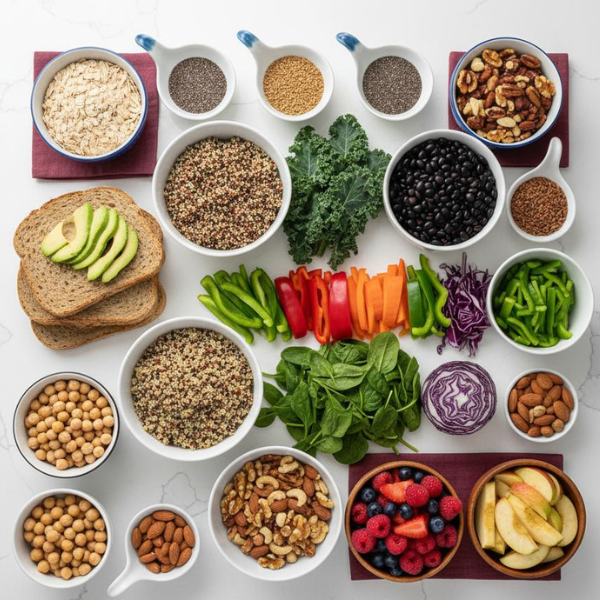
Vegetables, whole fruit, beans, lentils, whole grains, nuts and seeds support far more than digestion.
Think About Bone Nutrition
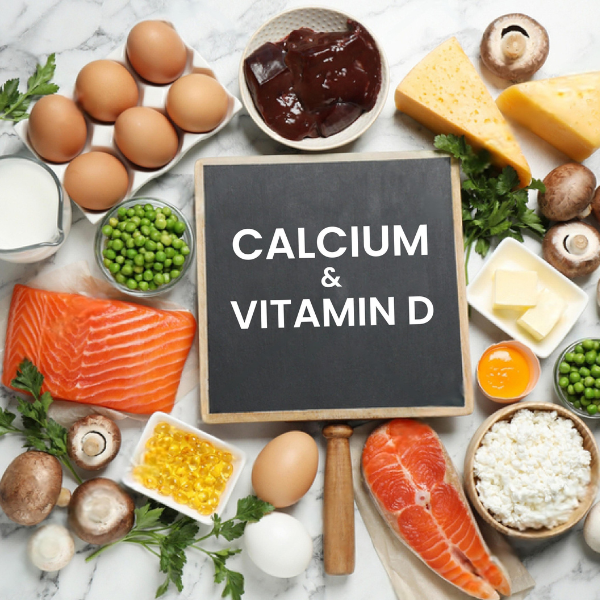
Calcium and vitamin D become increasingly important considerations, particularly around and after menopause.
Food sources can contribute substantially, while individual supplementation needs should be discussed with an appropriate healthcare professional rather than assumed.
A Simple Midlife Plate
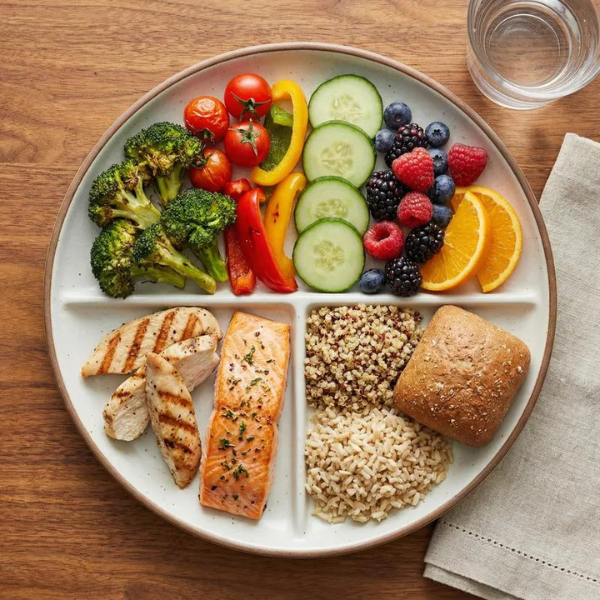
Think:
½ vegetables
¼ protein
¼ quality carbohydrate
plus healthy fats and fruit according to your overall needs.
An Indian plate might contain sabzi + dal/paneer/fish/chicken + roti/rice + curd.
A Western plate might contain vegetables + beans/fish/chicken/tofu + quinoa/brown rice/potato + yogurt or fruit elsewhere in the day.
Different cuisine.
Same nutritional logic.
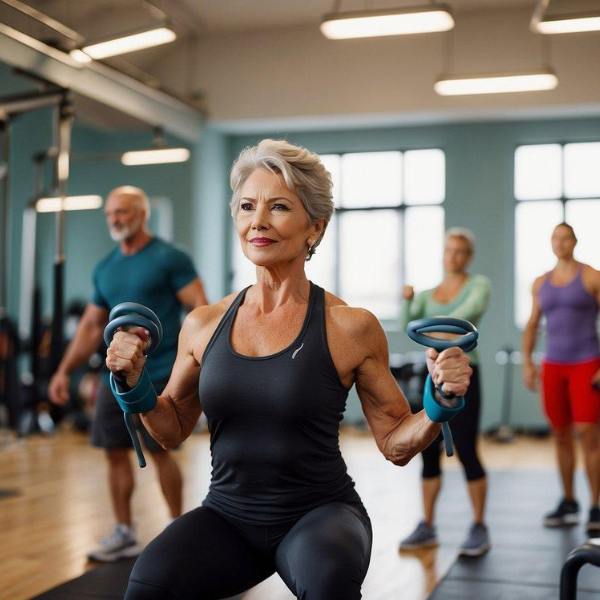
Move to Strengthen It
This may be the biggest mindset shift of all.
Don’t exercise only to burn calories.
Exercise to preserve muscle, bone, balance, cardiovascular fitness and independence.
Walking is excellent.
Keep walking.
But add resistance.
Weights.
Resistance bands.
Body-weight movements.
Appropriate gym machines.
Whatever allows you to progressively challenge your muscles safely.
Then add activities you actually enjoy.
Dance.
Hike.
Cycle.
Swim.
Play a sport.
Yoga can contribute mobility, balance and strength depending on the practice.
The objective isn’t to punish the body for changing.
It’s to train the body for what comes next.
Use Products Where They Genuinely Help
Now products have a clearer role.
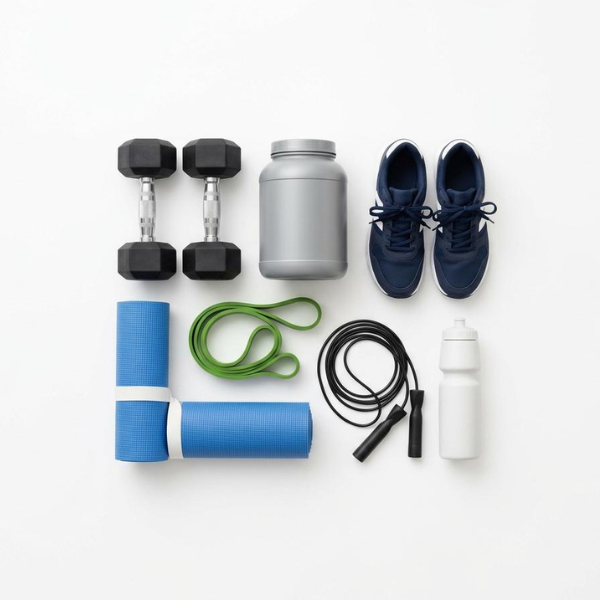
Resistance bands and weights can make home strength training accessible.
Protein powders can provide convenience when dietary protein is difficult to achieve.
Calcium, vitamin D, B12, iron or other supplements may be appropriate for some women depending on diet, testing, health conditions and professional recommendations.
Supportive walking shoes can make daily movement easier.
Skincare products can address changing skin needs.
And menopause-specific products may help particular symptoms—but this is an area where marketing can easily outrun evidence.
Ask:
What specific need does this solve for me?
Midlife women don’t need to buy everything labeled “for women over 40.”
Start Here This Week
Instead of starting another diet, try three things.
Put a protein source into every major meal.
Do two sessions of some form of resistance exercise.
Protect your sleep as seriously as you protect your work commitments.
And make an appointment for any preventive care you’ve been postponing.
Forty isn’t the beginning of decline.
It can be the point where we stop taking our body’s resilience for granted—and begin deliberately building it.
Significant menstrual changes, persistent fatigue, severe menopausal symptoms or other new health concerns deserve appropriate medical evaluation. Individual nutritional and exercise requirements vary.