
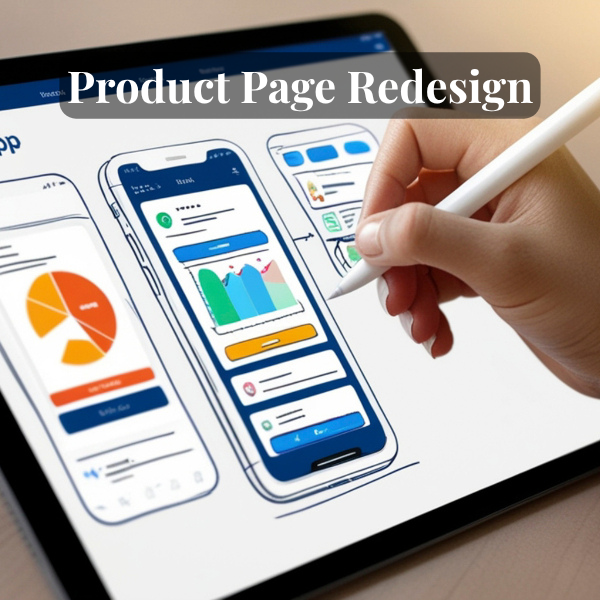
Product Page Redesign: From Listing to Experience
How I applied the 3 essential elements to my own platforms
When I wrote about the 3 elements every product page should have, it wasn’t theoretical.
I was actively redesigning my own platforms— ExclusiveGiftsStore.com and
ElegantDressesOnline.com
This is how I translated those principles into real product pages.
The 3 Elements (Quick Recap)
1. Clarity → What is this and who is it for?
2. Trust → Why should I believe this?
3. Action → What should I do next?
Example 1: Gifting Product (Exclusive Gifts Store)
BEFORE (Typical Affiliate Listing)
- Generic product title
- Manufacturer description copied
- No emotional context
- “Buy Now” button only
- No clear differentiation
Result: Looks like every other listing online
AFTER (Redesigned Experience)
1. Clarity Layer
- Rewritten title focused on use case “Premium Gourmet Gift Basket for Corporate & Holiday
Gifting” - Short intro: “A refined, ready-to-ship gift designed for clients, teams, and special occasions.”
2. Trust Layer
Highlighted:
- What’s inside the basket
- Brand positioning (premium, curated)
- When to use it (holidays, corporate gifting)
Future additions:
- Customer reviews
- Occasion-based recommendations
3. Action Layer
CTA aligned with platform:
- “Visit Merchant” or “Check Price on Amazon”
- Clear note: “You’ll be redirected to Amazon to complete your purchase.”
Reduced friction, increased clarity
Key Shift
From: Product listing To: Decision support experience
Example 2: Fashion Product (Elegant Dresses Online)
BEFORE
- Image-heavy grid
- Minimal context
- No styling guidance
- No audience clarity
AFTER
1. Clarity Layer
Product reframed as: “Evening Elegance: Satin Maxi Dress for Formal Events”
Added:
- Occasion (wedding guest, gala, dinner)
- Fit and styling cues
2. Trust Layer
Focus on:
- Fabric feel
- Silhouette
- Where it works best
Future scope:
- “How to style this” section
- Similar alternatives
3. Action Layer
CTA:
- “View Dress Details” / “Shop This Look”
Positioned within a curated experience, not a raw listing
Key Shift
From: Browsing clothes To: Choosing a look with confidence
System Behind the Redesign
This wasn’t random—it’s part of a repeatable system:
- Blog → Product page → Email → Social
- SEO-led content + curated products
- WooCommerce + affiliate integration
- Clear CTA compliance (Amazon / Impact)
What Changed the Most
Not design tools. Not layout.
Thinking changed.
Instead of asking:
“How do I display this product?”
I now ask:
“What does the user need to feel confident making a decision?”
Final Takeaway
Most product pages don’t fail because of bad design. They fail because they don’t support decision-making.
When you design for clarity, trust, and action— conversion becomes a natural outcome.
Want help redesigning your product experience?
About This Work
This redesign is part of my broader work across ecommerce, UX strategy, and digital product ecosystems under Crystal Multimedia.