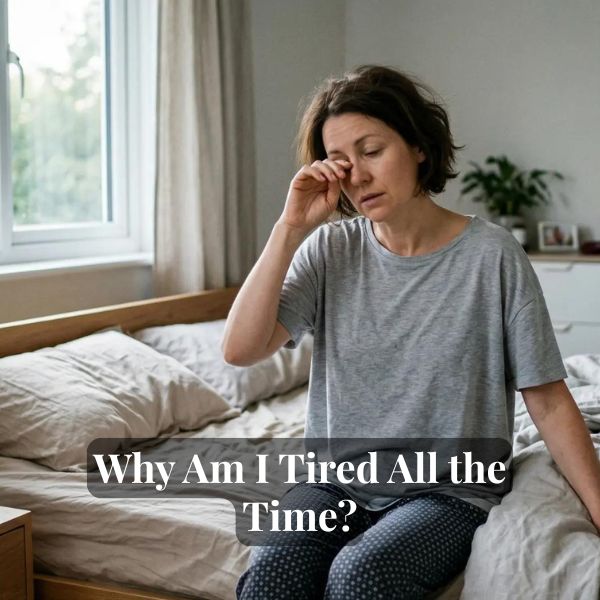
Why Am I Tired All the Time?

Why Am I Tired All the Time?

Why Am I Tired All the Time?

Sometimes we try to solve an energy problem with another cup of coffee when our body is asking for something else.

“I’m tired.”

It may be one of the most common descriptions of modern life.

We wake up tired.

Coffee gets us moving.

We sit for much of the day.

Afternoon energy crashes.

Something sweet or another coffee gets us through.

We finally reach evening exhausted—yet sometimes struggle to sleep properly.

And then we repeat the cycle.

Before searching for an energy supplement, let’s ask a more useful question.

Where does everyday energy actually come from?

Understand Your Body

Fatigue is not a diagnosis.

It is a signal with many possible explanations.

Sometimes the explanation is obvious: too little sleep, a stressful week, travel or unusual physical exertion.

Sometimes our daily habits contribute: inconsistent sleep, inadequate food, dehydration, very sedentary days or meals that leave us hungry again quickly.

And sometimes persistent fatigue has a medical explanation that deserves evaluation.

Iron deficiency, anemia, thyroid disorders, sleep disorders, infections, medication effects and other medical conditions can cause fatigue.

That’s why “just take this supplement” is poor advice for unexplained chronic tiredness.

First understand the problem.

Change What You Can

Before rebuilding your supplement cabinet, examine your week.

How much are you actually sleeping?

Not how long are you in bed—how much restorative sleep are you getting?

Are you drinking water regularly?

Do you see daylight in the morning?

Do you move during the day?

Are you eating actual meals—or surviving on tea, coffee and snacks until evening?

Are you constantly mentally stimulated but physically inactive?

There is a strange feature of modern fatigue:

Sometimes we feel too tired to move because we haven’t moved enough.

A sedentary body can feel sluggish even after doing very little physical work.

Eat to Support It

Instead of looking for “energy foods,” build meals that provide sustained nourishment.

A useful framework is:

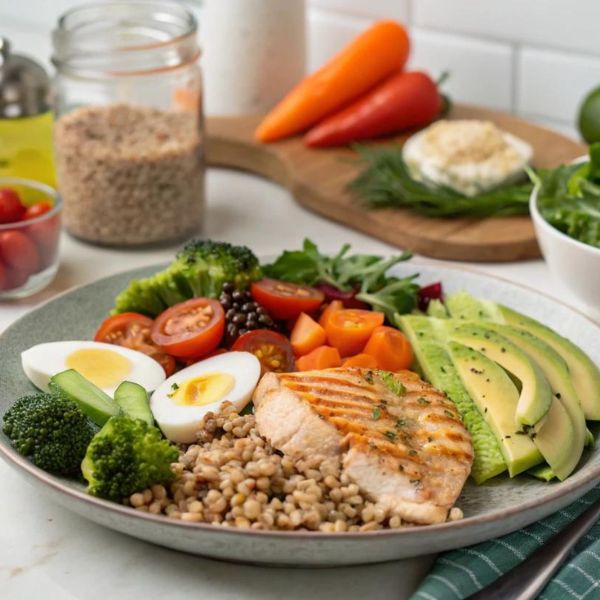
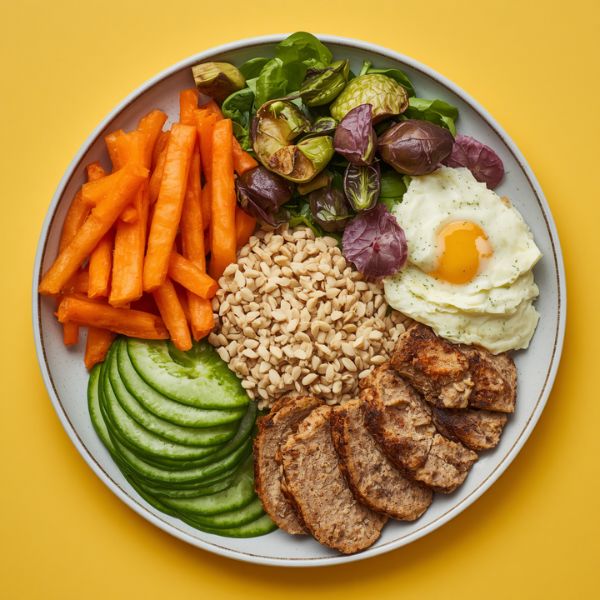
Protein + fiber-rich carbohydrate + vegetables/fruit + healthy fat.

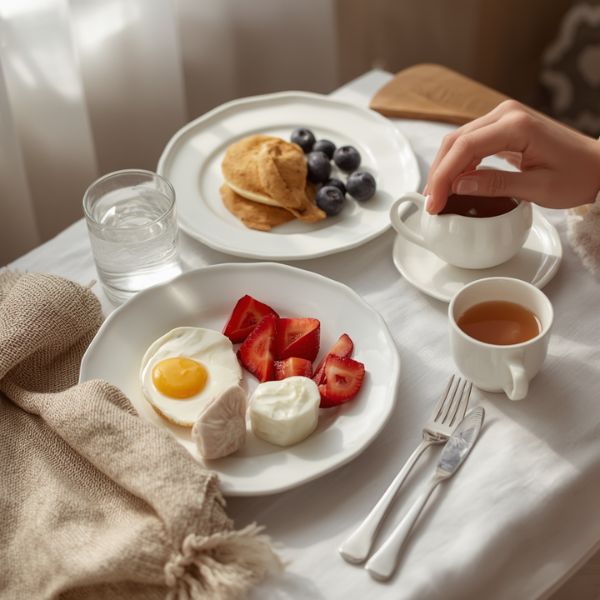
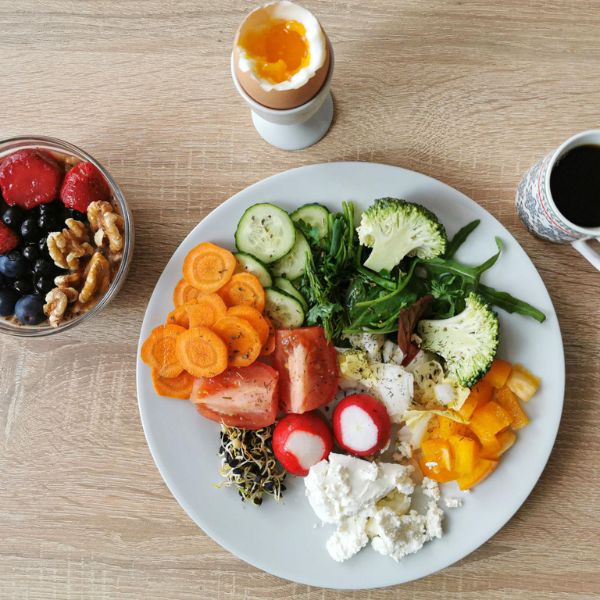
Compare a sweet tea and biscuits with something like eggs and vegetables, moong chilla with curd, or yogurt with fruit, nuts and seeds.

The second approach provides a more substantial mixture of nutrients.
A Balanced Energy Day

Morning

India: eggs with vegetables; moong/besan chilla with curd; or another protein-containing breakfast.

US: eggs and whole-grain toast; Greek yogurt with fruit and nuts; or oatmeal combined with a meaningful protein source.

Lunch

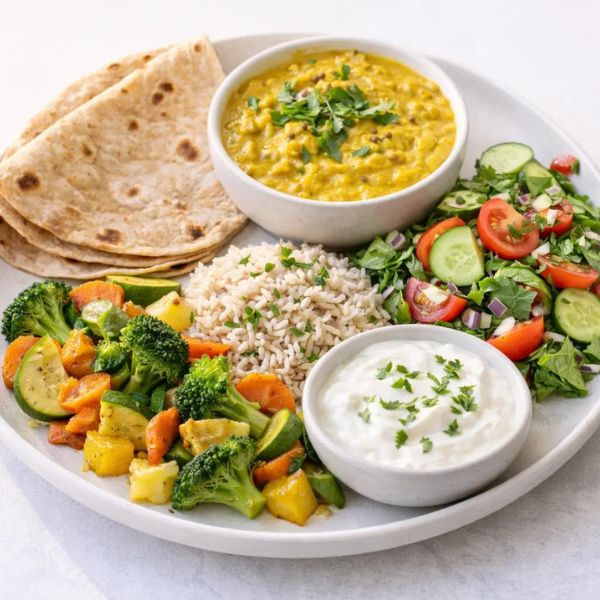
India: dal/rajma/chana or another protein + vegetables + roti/rice + salad/curd.

US: beans, fish, poultry, tofu or lentils + vegetables + a whole grain.

Afternoon

Instead of automatically reaching for sugar when energy falls, experiment with fruit paired with nuts, yogurt, roasted chana or another protein/fiber-containing snack.

And drink some water.

Sometimes the simplest intervention is embarrassingly simple.
Move to Strengthen It

Don’t wait until you “have energy” to become active.

Movement itself can become part of the process of rebuilding capacity.

Start small.

Walk for ten minutes.

Get outside.

Stand during a phone call.

Take stairs when appropriate.

Break long periods of sitting.

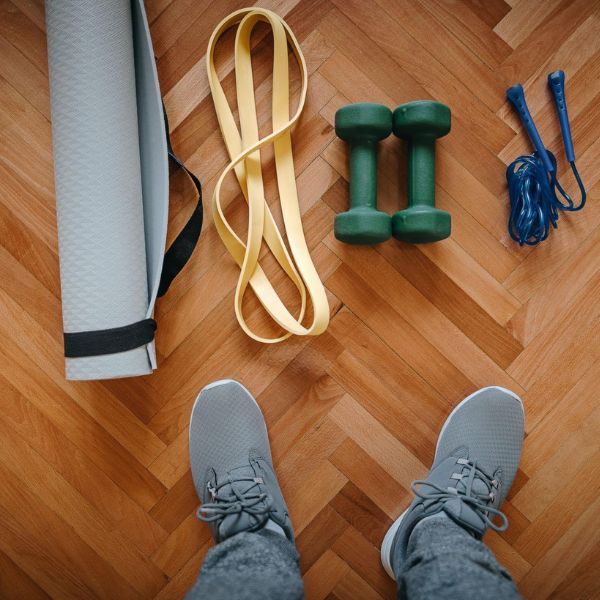
Then gradually add structured aerobic activity and strength training.

The objective isn’t to exhaust an already tired body.

It is to remind it that it was designed to move.

Use Products Where They Genuinely Help

Now we can consider products.

A reusable water bottle may help someone hydrate consistently.

A fitness tracker may reveal just how sedentary the day has become.

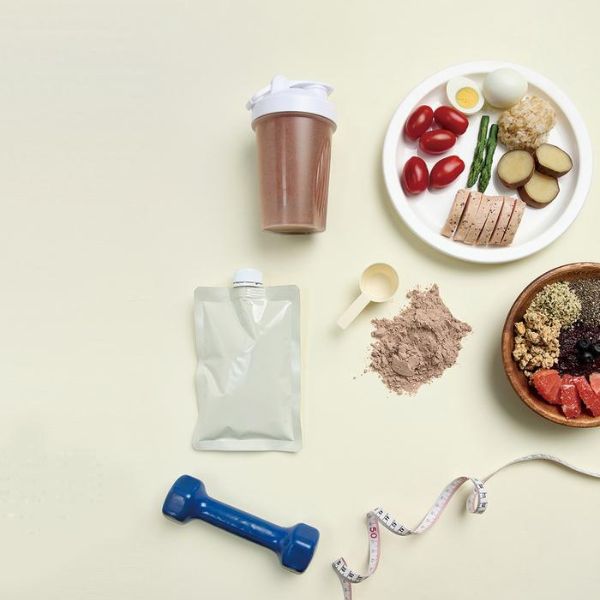
A protein powder may help someone who genuinely struggles to meet protein needs through meals.

Iron, B12, vitamin D or other supplements can be useful when there is an actual deficiency or appropriate clinical reason.

Notice the difference.

We aren’t saying:

“You’re tired. Buy this.”

We’re saying:

“Understand why you’re tired, address the foundations, and use a product if it solves a genuine remaining problem.”

That is a much healthier relationship with wellness products.
Start Here This Week

For seven days, track just four things:

Sleep.

Water.

Meals.

Movement.

Don’t try to perfect them.

Look for patterns.

If your fatigue remains significant despite reasonable sleep, nutrition and activity—or is persistent, worsening or accompanied by other symptoms—talk with a healthcare professional.

Your body may be telling you something worth investigating.

But if the answer turns out to be that you’ve been sleeping six hours, drinking four cups of coffee, skipping lunch and sitting for ten hours?

You may not need a new wellness product.

You may need a different Tuesday.

Persistent or unexplained fatigue can have medical causes and should not be self-diagnosed solely as a lifestyle issue.


Healthy Aging Isn’t About Looking Younger

Healthy Aging Isn’t About Looking Younger

Healthy Aging Isn’t About Looking Younger

Perhaps the better question isn’t how young we look. It is how capable we remain.

When we talk about aging, appearance often dominates the conversation.

Wrinkles.

Gray hair.

Skin elasticity.

Weight.

There is nothing wrong with wanting to look good. Taking care of our skin and appearance can be part of taking care of ourselves.

But imagine redefining successful aging.

Can I comfortably get down on the floor and get back up?

Can I carry my groceries?

Can I climb stairs without becoming exhausted?

Can I travel?

Can I maintain balance?

Can I continue doing the work and activities I love?

Can I live independently?

Those questions tell us something that a mirror cannot.

Understand Your Body

As we age, several changes can gradually occur, including loss of muscle mass and strength and changes in bone density, metabolism, balance and recovery.

But aging and deterioration are not synonymous.

Many of the factors that influence how we function later in life are things we can begin working on much earlier.

The goal therefore isn’t to fight age.

It is to preserve capacity as we age.

Change What You Can

Start by reconsidering what “taking care of yourself” means.

It isn’t only skincare.

It isn’t only weight.

It isn’t only getting an annual physical.

It is also maintaining the physical abilities that allow us to participate in life.

That means paying attention to sleep, daily movement, nutrition, stress, alcohol and tobacco exposure, social connection and preventive healthcare.

And one habit deserves particular attention:

Stop making sitting the default position of life.

Many of us sit while commuting, working, eating, relaxing and socializing.

Modern life has removed much of the movement previous generations performed without calling it exercise.

We may therefore have to deliberately put movement back.

Eat to Support It

Healthy aging requires adequate nutrition, not simply fewer calories.

Protein becomes particularly important because maintaining muscle depends on both the stimulus of resistance exercise and adequate nutrition.

Instead of leaving most protein until dinner, consider including a meaningful protein source throughout the day.

Build a Healthy-Aging Plate

Think:

½ vegetables and fruit

¼ protein-rich foods

¼ whole grains or other quality carbohydrate

plus healthy fats according to your individual needs.

For an Indian meal, that could mean dal, beans, paneer, curd, eggs, fish or chicken alongside sabzi, salad and roti or rice.

For a Western-style meal, it could mean beans, lentils, tofu, eggs, Greek yogurt, fish, poultry or another protein alongside vegetables and whole grains.

Plant-based diets can absolutely provide protein, but they require some intention—particularly when appetite decreases or protein needs are higher.

Calcium, vitamin D, B12, iron and other nutrients may also deserve attention depending on age, diet, medications and individual health circumstances.

That’s where personalized healthcare becomes more useful than generalized supplement advice.

Move to Strengthen It

If there were one section of this article I would want readers to remember, it would be this one.

Train for the life you want to keep living.

Walking is wonderful.

But walking alone doesn’t challenge every physical capacity we want to preserve.

Consider combining:

Aerobic activity — walking, cycling, swimming, dancing.

Strength — weights, resistance bands or body-weight exercises.

Balance — exercises that safely challenge stability.

Mobility — maintaining comfortable movement through useful ranges of motion.

Think of strength training less as bodybuilding and more as retirement planning for your body.

We save money today because we expect to need financial resources later.

Why wouldn’t we build physical reserves for the same reason?

Use Products Where They Genuinely Help

Products should support this lifestyle—not become the lifestyle.

Useful categories might eventually include:

resistance bands;

adjustable weights;

supportive walking shoes;

protein-rich convenience foods;

protein powders where food intake is insufficient or convenience matters;

vitamin D, calcium, B12 or other supplements when dietary intake, testing or professional guidance indicates a need;

and, yes, skincare products that protect and support aging skin.

Sunscreen, for example, has a much clearer role in healthy skin aging than chasing every new beauty trend.

But no anti-aging product can replace muscle strength, cardiovascular fitness, nutritious food, sleep and movement.

Start Here This Week

Choose three simple measurements of capability.

Perhaps:

How long can I comfortably walk?

Can I repeatedly stand from a chair without using my hands?

Am I doing any form of resistance exercise?

Don’t use the answers to criticize yourself.

Use them as your starting point.

Because healthy aging isn’t about trying to become the person you were at 25.

It is about helping the person you will be at 65, 75 and 85 remain as strong, mobile, engaged and independent as possible.

**Don’t just add years to your life.

Keep building life into your years.**

Exercise and nutritional needs vary considerably with health status, age and medications. People with medical conditions or significant mobility limitations should seek appropriate professional guidance before substantially changing diet or exercise.

Your Gut May Be Asking for More Than a Probiotic

Your Gut May Be Asking for More Than a Probiotic

Your Gut May Be Asking for More Than a Probiotic

Gut health isn’t something we buy in a bottle. It is something we support throughout the day.

Probiotics have become almost synonymous with gut health.

Walk through a pharmacy, supermarket or wellness store in India or the United States and you’ll find capsules, powders, drinks, yogurts and foods promising digestive support.

But there is a more useful question to ask before reaching for any of them:

How are we treating our gut the other 23 hours of the day?

Our digestive system responds to much more than a supplement. What we eat, how much fiber we consume, how varied our diet is, how much water we drink, how physically active we are, how quickly we eat, our sleep and even our stress patterns can influence digestive health.

So instead of beginning with What probiotic should I take?, perhaps we should begin somewhere else.

Understand Your Body

The gut isn’t simply a tube that processes food.

Our gastrointestinal tract is home to a vast community of microorganisms collectively called the gut microbiome. Diet and lifestyle can influence this ecosystem, while the gut itself plays important roles in digestion, metabolism and immune function.

Occasional bloating or changes in bowel habits can happen for many reasons. But persistent digestive problems shouldn’t automatically be diagnosed as a “bad microbiome” or treated by buying supplements.

Recurring pain, blood in the stool, unexplained weight loss, persistent diarrhea or constipation, or a major unexplained change in bowel habits deserves medical attention.

For everyday digestive wellness, however, there is quite a lot we can influence ourselves.

Change What You Can

Start with the basics.

Eat more slowly. Digestion begins before food ever reaches the intestines. Give meals time and attention instead of routinely eating while driving, standing or scrolling.

Drink enough water. Particularly as fiber intake increases, adequate fluid matters.

Create some consistency. Constantly skipping meals, overeating late at night and alternating between restriction and indulgence can make it difficult to understand what actually agrees with your body.

Sleep. Gut health and overall metabolic health do not exist separately from sleep.

Pay attention rather than obsess. Notice which foods repeatedly leave you feeling comfortable and which seem associated with symptoms.

The objective isn’t to create an ever-growing list of foods you are afraid to eat.

It is to understand your own patterns.

Eat to Support It

One of the simplest places to begin is fiber and food diversity.

Instead of asking whether a food is a “superfood,” ask:

How many different minimally processed plant foods am I eating across the week?

Vegetables, fruits, beans, lentils, whole grains, nuts and seeds all contribute different fibers and nutrients.

Traditional Indian eating can make this surprisingly easy.

Dal, rajma, chana, vegetables, whole grains, fruits, nuts, seeds and fermented foods such as curd can all fit naturally into a gut-supportive eating pattern.

A Western-style plate can accomplish exactly the same thing with beans, lentils, oats, whole grains, vegetables, berries and other fruits, nuts, seeds, yogurt and fermented foods.

Build a Gut-Friendly Day

Breakfast

India: vegetable oats, idli with sambar, or moong chilla with vegetables and curd.

US: oatmeal with berries, nuts and seeds, or eggs with vegetables and whole-grain toast.

Lunch

India: dal or beans + sabzi + roti or rice + salad + curd.

US: lentils, beans, chicken or fish + a generous serving of vegetables + quinoa, brown rice or another whole grain.

Snack

Fruit with nuts, roasted chana, yogurt or another minimally processed option.

Dinner

Build around vegetables and a protein source, adding an appropriate portion of whole-food carbohydrate depending on your activity, preferences and health needs.

You don’t need the exact meals above.

Use the principle:

Plants + fiber + adequate protein + variety + hydration.

Increase fiber gradually if your current intake is low. Going from very little fiber to very high fiber overnight isn’t necessarily going to make your stomach happy.

Move to Strengthen It

Movement is an underrated part of digestive wellness.

A short walk after a meal is one of the simplest habits to experiment with. Regular physical activity also supports broader metabolic and cardiovascular health.

It doesn’t have to begin with an elaborate exercise program.

Walk.

Take the stairs.

Stretch.

Strength train.

Spend less of the day continuously sitting.

The digestive system is part of a moving human body—not a separate machine that only responds to what we swallow.

Use Products Where They Genuinely Help

Only now do products enter the conversation.

Depending on an individual’s diet and needs, useful tools might include:

  • a fiber-rich food that makes increasing daily fiber easier;
  • plain yogurt or other fermented foods containing live cultures;
  • a probiotic with clearly identified strains when there is a specific reason for using one;
  • convenient whole grains, seeds or other foods that make a healthier routine easier.

A supplement should answer a question.

What problem am I trying to solve?

If we cannot answer that, we probably shouldn’t begin with the product.

Start Here This Week

Don’t overhaul your entire diet.

Try three things:

Add one plant food to your day.

Take a short walk after one meal.

Notice—not judge—how your digestive system responds.

Do that consistently before adding another complicated wellness routine.

Because perhaps the best thing we can do for our gut isn’t constantly search for something new to put into it.

It is to become more thoughtful about how we live with it every day.

Wellness information is educational and isn’t a substitute for individualized medical advice. Persistent or concerning digestive symptoms should be discussed with a qualified healthcare professional.

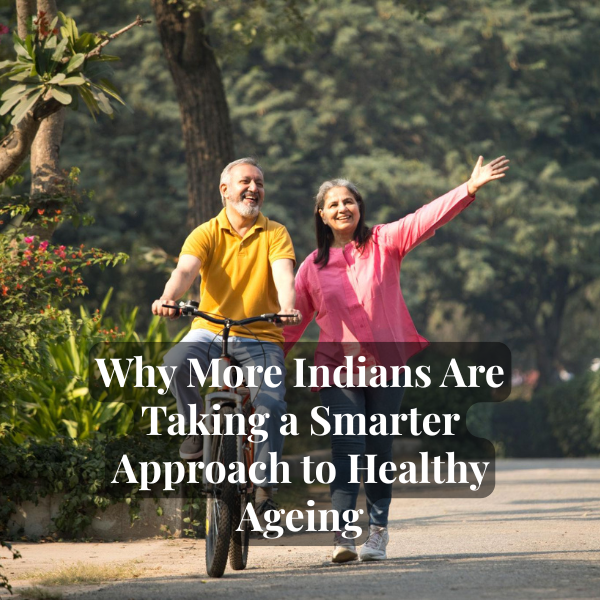
Why More Indians Are Taking a Smarter Approach to Healthy Ageing

Why More Indians Are Taking a Smarter Approach to Healthy Ageing

Why More Indians Are Taking a Smarter Approach to Healthy Ageing

Healthy Ageing Is Becoming a Priority in India

India’s wellness market is growing rapidly as more people become proactive about maintaining their health, energy, and quality of life.

People are no longer waiting for health problems to appear before taking action.

Instead, they are looking for ways to support their bodies now so they can enjoy a healthier future.

The Problem With Guesswork

Millions of people purchase vitamins, supplements, and wellness products every year.

Yet many still ask the same question:

“How do I know if they’re actually working?”

Without measurable feedback, most wellness decisions are based on assumptions.

Enter the Era of Personalized Wellness

Prysm iO™ represents a new generation of wellness technology.

Using a simple fingertip scan, it measures skin carotenoid levels and provides a personalized score that reflects antioxidant health. Results are available in approximately 15 seconds without blood tests or laboratory visits.

This helps individuals understand whether their current nutrition and lifestyle habits are supporting their wellness goals.

Pairing Technology With Nutrition

Knowledge is powerful, but action creates results.

That’s why many wellness-conscious consumers are pairing Prysm iO insights with high-quality nutritional products from Nu Skin.

Popular wellness solutions include:

  • LifePak® for daily nutritional support
  • Beauty Focus® Collagen+ for skin wellness
  • ageLOC® Youth for healthy ageing support
  • G3® antioxidant-rich nutrition
  • Pharmanex® Eye Formula for eye health support

These products are designed to complement a healthy lifestyle and support overall wellbeing.

The Future of Wellness Is Personal

The future of health is not about doing more.

It’s about making smarter decisions based on meaningful insights.

For many people in India, healthy ageing is no longer just a goal. It’s becoming a lifestyle.

And with tools like Prysm iO and science-backed wellness products, that journey has never been more accessible.