
Healthy Aging: Living Better, Stronger and Longer
Healthy aging isn't about trying not to age. It's about aging well.
For years, much of the conversation around aging—particularly in the beauty and wellness industry—has focused on what we lose.
Wrinkles appear. Hair changes. Metabolism slows. Muscle and bone mass can decline. Energy may feel different.
And an enormous industry has grown around helping us fight aging.
But perhaps we have been asking the wrong question.
Instead of asking:
How do I stop myself from getting older?
A more useful question may be:
How do I help myself remain healthy, strong, mentally engaged and independent as I grow older?
That shift takes us from anti-aging to healthy aging.
And from lifespan to something equally important:
healthspan—the years of life we spend in relatively good health and functional independence.
The Goal Isn't Just More Years. It's Better Years.
Modern medicine has helped people live longer.
But longevity by itself isn’t necessarily the goal.
Most of us don’t simply want to add years to life. We want those years to contain movement, curiosity, relationships, independence, purpose and joy.
That means healthy aging cannot be reduced to one supplement, one diet or one exercise routine.
It is the cumulative effect of many small decisions made repeatedly.
How we eat.
How much we move.
Whether we maintain muscle.
How well we sleep.
How we manage stress.
Whether we remain socially connected.
Whether we continue learning.
And whether we continue having something to look forward to.
Healthy aging is therefore not one health practice.
It is a way of living.
1. Protect Your Muscle
When people think about aging, they often think first about wrinkles.
I would put muscle much higher on the list.
Muscle plays an important role in strength, mobility, balance, metabolism and our ability to perform everyday activities independently.
Muscle mass and strength can gradually decline with age, particularly when we become less active.
That makes resistance training increasingly important—not less important—as we grow older.
You don’t necessarily need a gym or heavy weights.
Depending upon your health and ability, strength-building activities can include:
- Resistance bands
- Body-weight exercises
- Hand weights
- Weight machines
- Pilates
- Functional movements such as controlled squats and sit-to-stand exercises
The objective isn’t necessarily to build a muscular physique.
It is to preserve the ability to carry groceries, climb stairs, get out of a chair, travel, garden, play with grandchildren and continue participating in life.
Don’t Forget Protein
Muscle also needs nutritional support.
Protein provides amino acids the body uses for maintaining and repairing tissues.
Rather than consuming most of our protein in one meal, it can be useful to think about including a meaningful protein source throughout the day.
Depending upon individual dietary needs, this might include eggs, yogurt, fish, poultry, beans, lentils, tofu, cottage cheese, nuts, seeds or other protein-rich foods.
2. Take Bone Health Seriously
Bones may be invisible, but they are fundamental to independence.
Bone density can decline as we age, particularly after menopause in women, and fractures later in life can significantly affect mobility and quality of life.
Supporting bone health includes:
- Weight-bearing activity
- Resistance training
- Adequate calcium intake
- Adequate vitamin D
- Sufficient protein
- Avoiding smoking
- Limiting excessive alcohol
- Discussing bone-density screening with your healthcare provider when appropriate
Bone health and muscle health also work together.
Strong muscles help support balance and movement, which can help reduce the risk of falls.
Healthy aging is partly about creating a body that remains capable of supporting you.
3. Keep Moving
Exercise doesn’t have to mean spending an hour in the gym.
Walking counts.
Gardening counts.
Dancing counts.
Swimming counts.
Taking the stairs counts.
The important thing is to avoid allowing life to become progressively sedentary.
A balanced movement routine ideally includes some combination of:
Aerobic activity for cardiovascular fitness.
Strength training for muscle and bone.
Balance exercises to help reduce fall risk.
Mobility and flexibility work to help maintain comfortable movement.
And there is another advantage to movement that isn’t always visible in a fitness tracker.
Movement can affect how we feel.
A walk outdoors can simultaneously become exercise, sunlight exposure, stress relief, thinking time and emotional reset.
Few wellness practices accomplish so much at once.
4. Eat for the Body You Want to Have Ten Years From Now
Nutrition advice can become unnecessarily complicated.
Healthy aging doesn’t require chasing every new diet trend.
A useful starting point is simply eating more foods that still resemble what they originally were.
Vegetables.
Fruit.
Beans and lentils.
Whole grains.
Nuts and seeds.
Fish and other quality protein sources.
Healthy fats.
And fewer highly processed foods dominating the diet.
Colorful plant foods provide vitamins, minerals, fiber and numerous naturally occurring plant compounds.
Fiber also supports digestive health and the gut microbiome, creating another connection between nutrition and overall wellness.
5. Support Your Heart
The heart has been working for us every minute since before we were born.
Healthy aging means taking care of it.
Many of the same habits that support healthy aging also support cardiovascular health:
- Regular physical activity
- A nutrient-dense diet
- Maintaining healthy blood pressure
- Managing cholesterol and blood sugar
- Avoiding tobacco
- Getting adequate sleep
- Maintaining social connections
- Managing chronic stress
Rather than thinking about these as separate health programs, notice how often the same behaviors support multiple systems.
Walking supports your heart, muscles, bones, brain and emotional health simultaneously.
That is the beauty of foundational wellness habits.
6. Take Care of Your Gut
Our digestive system does much more than process food.
The gut microbiome—the enormous community of microorganisms living primarily in our digestive tract—is an active area of research involving digestion, metabolism, immune function and other aspects of health.
A diverse, fiber-rich diet containing a variety of plant foods can help support a healthy gut environment.
Fermented foods may also be useful additions for some people.
Rather than constantly searching for supplements to fix the gut, start with what feeds it every day.
7. Protect Your Brain by Continuing to Use It
Healthy aging isn’t only physical.
Our brains also benefit from engagement.
Reading.
Writing.
Learning a language.
Playing music.
Traveling.
Solving problems.
Learning technology.
Taking a class.
Having meaningful conversations.
Starting something new at 60, 70 or 80.
Novelty challenges the brain in ways routine does not.
But perhaps equally important is maintaining curiosity.
The moment we decide, I’m too old to learn that, aging becomes partly psychological.
There is no age at which curiosity needs to retire.
8. Sleep Is Preventive Maintenance
Sleep is sometimes treated as the time when nothing is happening.
Quite the opposite.
Sleep supports numerous biological processes involved in physical recovery, memory, immune function, metabolism and emotional regulation.
A healthy sleep routine can include:
- Consistent sleep and wake times
- Morning daylight exposure
- Regular daytime movement
- A cooler, darker bedroom
- Reducing stimulating activity close to bedtime
- Limiting late caffeine when it interferes with sleep
We often look for sophisticated longevity interventions while ignoring one of the body’s most fundamental recovery systems.
Sleep is not wasted time. It is maintenance time.
9. Don't Ignore Stress and the Nervous System
We cannot eliminate stress from life.
Nor should that necessarily be the goal.
But living continuously in a state of tension, worry and hypervigilance can affect sleep, behavior, relationships and overall well-being.
This is why emotional regulation belongs in a conversation about healthy aging.
Simple practices can help create moments of regulation:
- Slow breathing
- Walking
- Meditation
- Spending time in nature
- Journaling
- Creative activities
- Prayer or contemplation
- Meaningful conversation
- Time away from constant digital stimulation
The objective isn’t to create a life without stress.
It is to help the body remember how to return to calm after stress has passed.
10. Stay Connected
We often discuss nutrition and exercise while overlooking something deeply human:
We need other people.
Friendships, family relationships, community involvement, volunteering and simply having people with whom we can talk and laugh can contribute meaningfully to well-being.
Healthy aging therefore includes maintaining relationships—not merely maintaining biomarkers.
Call someone.
Have lunch together.
Join a group.
Help someone.
Ask for help.
Share stories.
Laugh.
Belong somewhere.
Social connection is not an optional luxury of a healthy life.
It is part of one.
11. Keep a Sense of Purpose
Retirement from a job doesn’t have to mean retirement from purpose.
Purpose can change throughout life.
It might be raising grandchildren.
Writing a book.
Mentoring someone.
Growing vegetables.
Building a business.
Making art.
Traveling.
Volunteering.
Learning.
Teaching.
Caring for someone.
Or simply becoming more present in the lives of people we love.
We don’t necessarily need a grand mission.
We need reasons to remain engaged with tomorrow.
12. Take Care of Your Skin—Without Fighting Your Age
Our skin changes as we age.
That is natural.
Collagen production changes. Skin can become thinner or drier. Sun exposure accumulated over decades can become more visible.
Good skin care isn’t about pretending those changes aren’t happening.
It is about supporting healthy skin throughout life.
The fundamentals remain remarkably simple:
Cleanse gently. Moisturize. Protect from the sun. Eat well. Hydrate. Sleep.
Targeted ingredients and beauty devices can then be added according to individual needs.
Healthy-looking skin should be viewed as part of wellness—not a battle against time.
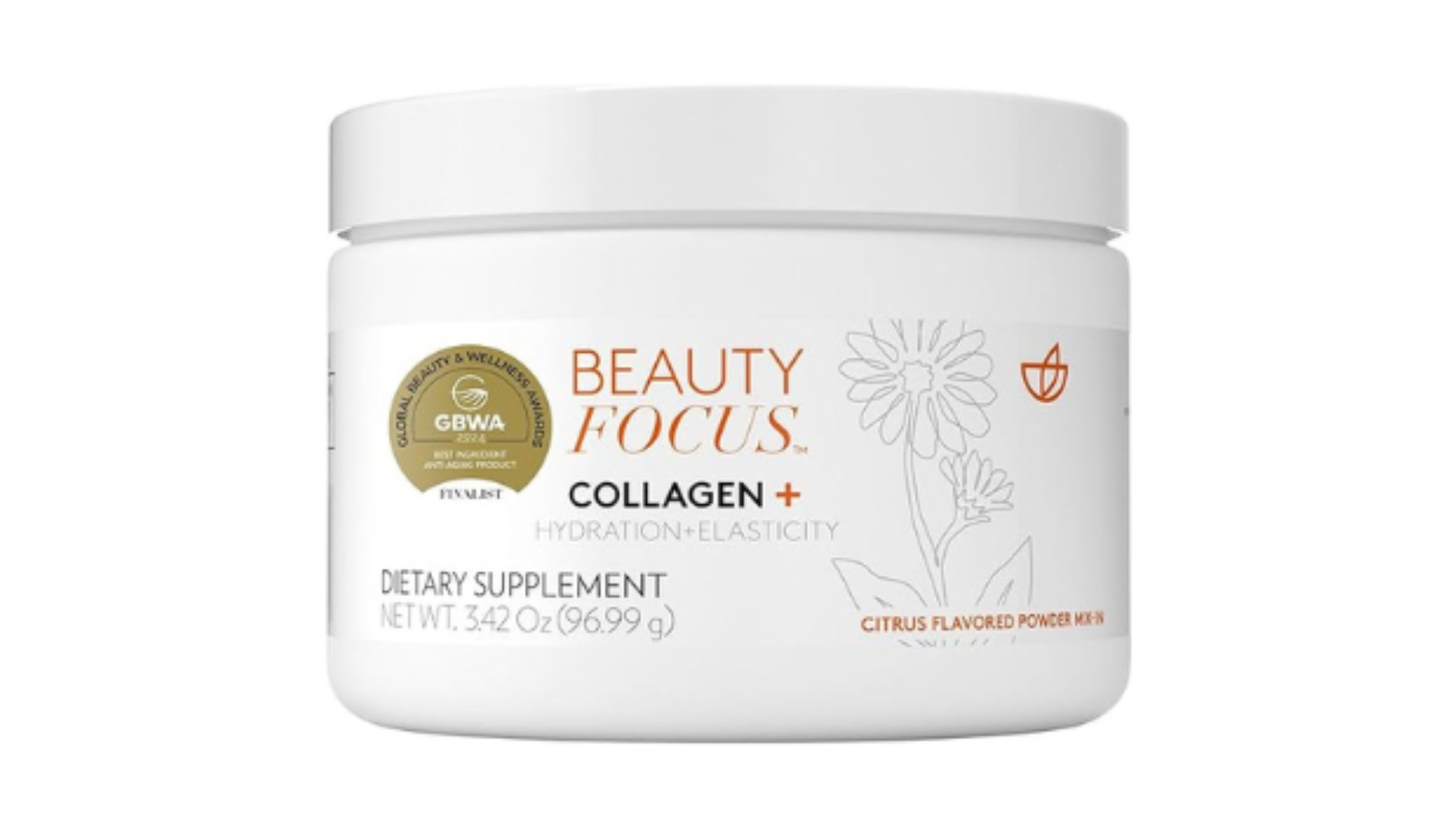
Recommended Healthy Aging Products
Supplements and wellness products can complement healthy habits, but they cannot replace them.
Start with food, movement, sleep and preventive healthcare.
Then consider whether selected products might help support your personal routine.
Your Healthy Aging Checklist
You don’t need to transform your entire lifestyle tomorrow.
Start by asking yourself:
Am I moving every day?
Am I doing something to maintain muscle?
Am I eating enough protein and plants?
Am I protecting my bones and heart?
Am I sleeping enough?
Am I giving my nervous system opportunities to recover?
Am I continuing to learn?
Am I staying connected to people?
Do I have something I look forward to?
If several answers are no, don’t try to fix everything at once.
Choose one.
Then build from there.
Perhaps We Should Stop Calling It Anti-Aging
There is something subtly negative about the term anti-aging.
It suggests that aging itself is the enemy.
But growing older is also evidence that we have been fortunate enough to keep living.
Our faces will change.
Our bodies will change.
Our priorities may change.
Perhaps success isn’t reaching 70 while desperately trying to look 40.
Perhaps it is reaching 70, 80 or 90 and still being able to say:
I’m curious.
I’m moving.
I’m learning.
I’m connected.
I’m contributing.
I’m enjoying being here.
That seems like a much more meaningful definition of healthy aging.
Not resisting the passage of time.
But taking care of ourselves well enough that we can continue to participate fully in the life that time gives us.
Important Note
This page provides general wellness information and is not intended to diagnose, treat, cure or prevent any disease or replace personalized medical advice. Nutritional and supplement needs vary based on age, diet, medications and medical conditions. Speak with your healthcare professional before beginning new supplements or significantly changing your exercise or nutrition routine, particularly if you have an existing medical condition or take medication.
Affiliate Disclosure: Some links on this page may be affiliate links. If you purchase through one of these links, we may receive a small commission at no additional cost to you. Recommendations are selected for their relevance to the topic and should not be interpreted as medical endorsements.