
Healthy Skin: A Whole-Body Approach to Skin Care
Healthy skin begins with what we do every day—not simply with what we put on our face.
Skin care has become increasingly complicated. Cleansers, toners, serums, acids, masks, moisturizers, devices and supplements can easily turn a simple daily ritual into an overwhelming routine.
But healthy skin does not necessarily require more products.
It requires understanding what the skin needs, protecting its natural functions, and supporting the body systems that influence how our skin looks and feels.
Our skin is our largest organ and our most visible interface with the outside world. It protects us from environmental exposure, helps regulate temperature and moisture, and continually renews itself.
That is why a thoughtful approach to skin care should work both from the outside in and from the inside out.
The Foundations of Healthy Skin
Before looking for the latest serum or treatment, it helps to focus on a few fundamentals.
1. Protect the Skin Barrier
The outermost layer of the skin acts as a protective barrier. When it is functioning well, it helps retain moisture while protecting the skin from environmental irritants.
Over-cleansing, excessive exfoliation and constantly introducing new active ingredients can sometimes disrupt this balance.
A good basic routine begins with:
- Gentle cleansing
- Adequate moisturization
- Daily sun protection
- Thoughtful rather than excessive exfoliation
- Products appropriate for your individual skin type
Sometimes the best thing we can do for our skin is simply stop doing too much to it.
2. Hydration Matters—Inside and Out
One of the most visible characteristics of healthy skin is its ability to retain moisture.
Topical moisturizers help reduce water loss from the skin, while ingredients such as hyaluronic acid, glycerin and ceramides can support hydration and the skin barrier.
But hydration is also influenced by our overall lifestyle.
Adequate fluids, balanced nutrition and limiting excessive environmental dryness can all contribute to how comfortable and resilient our skin feels.
3. Protect Your Skin From the Sun
If there is one skin-care habit worth practicing consistently, it is sun protection.
Ultraviolet exposure contributes to visible signs of premature skin aging, including uneven pigmentation, fine lines and changes in skin texture. More importantly, UV exposure increases the risk of skin cancer.
For most people, a broad-spectrum sunscreen with SPF 30 or higher is an important part of a morning skin-care routine.
And sunscreen isn’t only for beach days.
Daily exposure happens while walking, driving, gardening, exercising and simply going about our lives.
4. Nourish the Skin From Within
Our skin depends upon nutrients supplied through the body.
A balanced diet that includes adequate protein, healthy fats, fruits, vegetables and micronutrients supports normal cellular function throughout the body—including the skin.
Foods rich in antioxidants and colorful plant compounds can also be part of an overall health-supportive diet.
Rather than searching for one magical “skin food,” think about creating a nutritional environment in which the body has the building blocks it needs.
Healthy skin is often the visible result of healthy daily habits.
5. Support Collagen Throughout Life
Collagen is one of the major structural proteins in the skin and helps provide strength and support.
Our body’s collagen production naturally changes as we age. Sun exposure and other lifestyle factors can also influence collagen degradation.
The goal should not be to “stop aging.” Aging is natural.
A more realistic approach is to support the skin so that it can remain healthy, resilient and well cared for throughout the aging process.
This can include adequate protein and vitamin C in the diet, sun protection, appropriate topical ingredients and, for those who choose them, collagen supplements.
6. Sleep Is Part of Your Beauty Routine
We often think of sleep as something separate from skin care.
It isn’t.
Sleep supports the body’s normal repair and recovery processes. Poor or inconsistent sleep can also affect how rested and vibrant we look the following day.
Instead of adding another product to the bathroom shelf, sometimes the better beauty investment is simply getting to bed earlier.
7. Stress Can Show Up on the Skin
The relationship between emotional well-being and skin health is increasingly difficult to ignore.
Stress influences hormones, inflammation, sleep, behaviors and even the way we care for ourselves.
For some people, periods of stress can coincide with changes in acne, sensitivity, itching or other skin concerns.
This is another reason I prefer to think about beauty and wellness together rather than treating them as two separate subjects.
Walking, meditation, breathing practices, exercise, time outdoors and meaningful rest may not come packaged in beautiful bottles—but they belong in a holistic beauty routine.
A Simple Daily Skin-Care Routine
You don’t necessarily need ten steps.
Morning
Cleanse → Treat if needed → Moisturize → Sunscreen
A gentle cleanser prepares the skin without excessively stripping its natural oils.
A targeted serum—such as vitamin C, niacinamide or another ingredient appropriate for your needs—can be added if desired.
Follow with moisturizer and broad-spectrum SPF 30+.
Evening
Cleanse → Targeted treatment → Moisturize
Remove makeup, sunscreen and the day’s environmental buildup.
This is also when ingredients such as retinoids are commonly incorporated into routines when appropriate.
Finish with a moisturizer that helps support the skin barrier overnight.
Weekly or Occasionally
Depending upon your skin type, you may choose to incorporate gentle exfoliation, masks or at-home skin-care devices.
More frequent treatment is not necessarily better.
Give your skin time to respond before adding something new.
Recommended Skin-Care Products & Tools
The products below represent different parts of a complete skin-care routine. You do not need all of them. Choose products based upon your skin type, concerns, budget and tolerance.
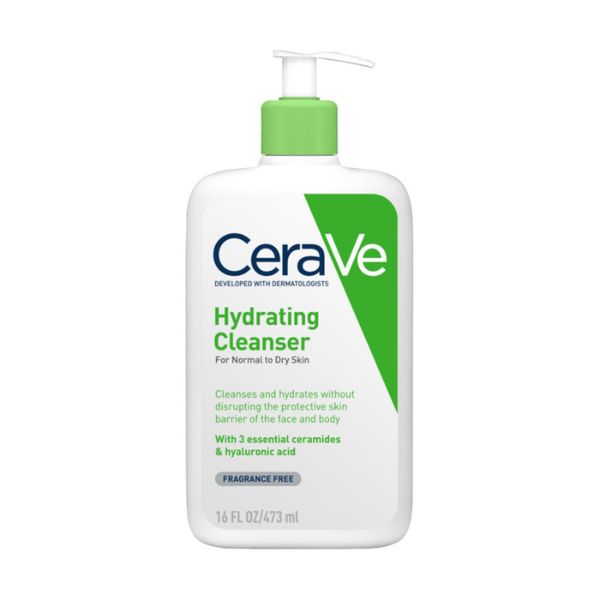
Gentle Facial Cleanser
CeraVe Hydrating Facial Cleanser
A straightforward option for everyday cleansing, particularly for normal-to-dry skin. Its formula includes ceramides and hyaluronic acid and is designed to cleanse without leaving the skin feeling excessively stripped.
Best for: A simple everyday cleansing routine.
Why I like this category: Cleansing should prepare the skin—not become an aggressive treatment in itself.
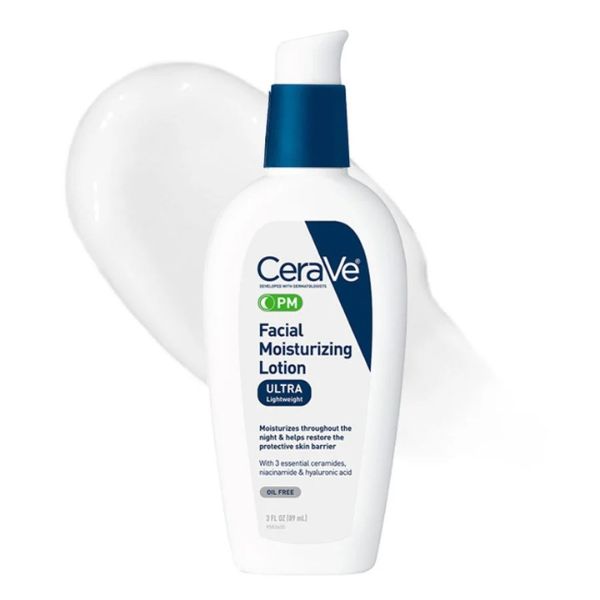
Daily Facial Moisturizer
CeraVe PM Facial Moisturizing Lotion
A lightweight moisturizer containing ceramides, hyaluronic acid and niacinamide.
Despite the “PM” name, the broader lesson is more important: look for a moisturizer that supports hydration and the skin barrier without unnecessarily complicating your routine.
Best for: Everyday barrier and moisture support.
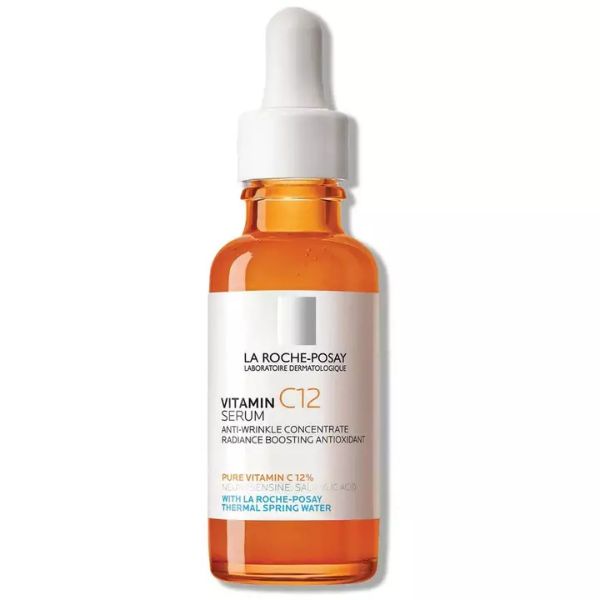
Vitamin C Serum
La Roche-Posay Pure Vitamin C Face Serum
Vitamin C is an antioxidant commonly used in skin-care routines to support brighter-looking skin and address visible signs of environmental exposure and aging.
Best for: People wanting to add an antioxidant step to their morning routine.
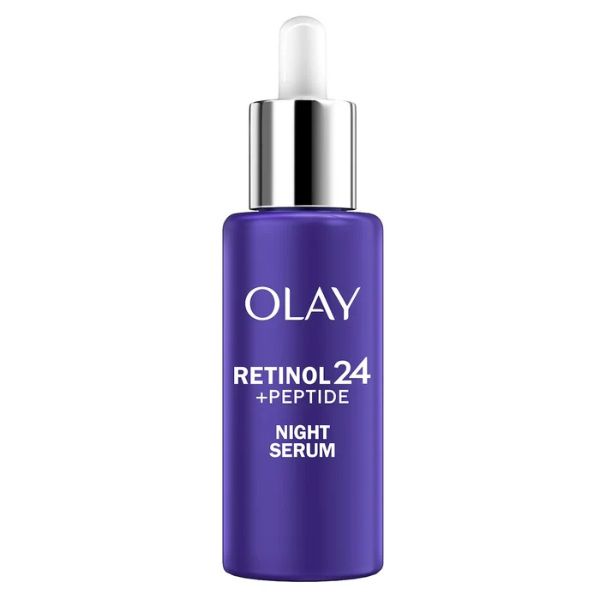
Retinol Treatment
Olay Retinol 24 Night Serum
Retinoids are among the most researched topical ingredients for improving the appearance of fine lines, uneven texture and other visible signs of aging.
They should generally be introduced gradually because irritation can occur, and consistent daytime sun protection becomes particularly important.
Best for: A nighttime healthy-aging routine.
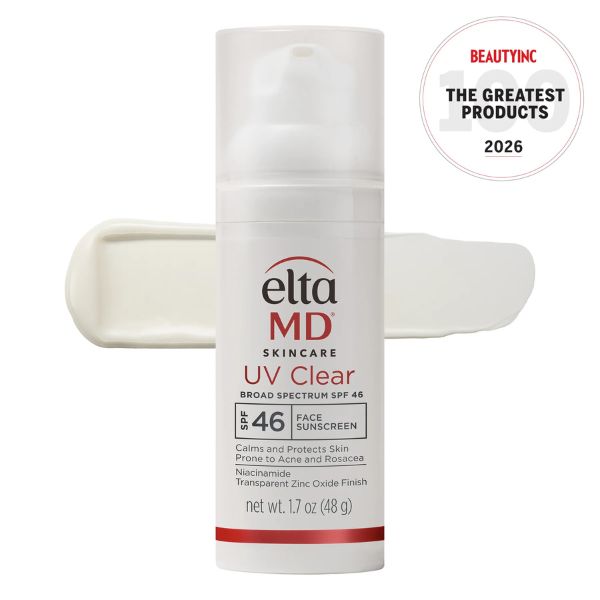
Daily Sunscreen
EltaMD UV Clear Broad-Spectrum SPF 46
A lightweight facial sunscreen popular for everyday use and formulated with zinc oxide.
Best for: Making daily sun protection an easy habit.
Why this matters: If you invest in serums and treatments but routinely skip sun protection, you may be working against your own skin-care goals.
Beauty Technology: When Devices Can Complement a Routine
Skin-care technology has increasingly moved from professional treatment rooms into our homes.
Used appropriately, at-home devices can complement a consistent skin-care routine.
They should, however, be viewed as tools—not shortcuts.
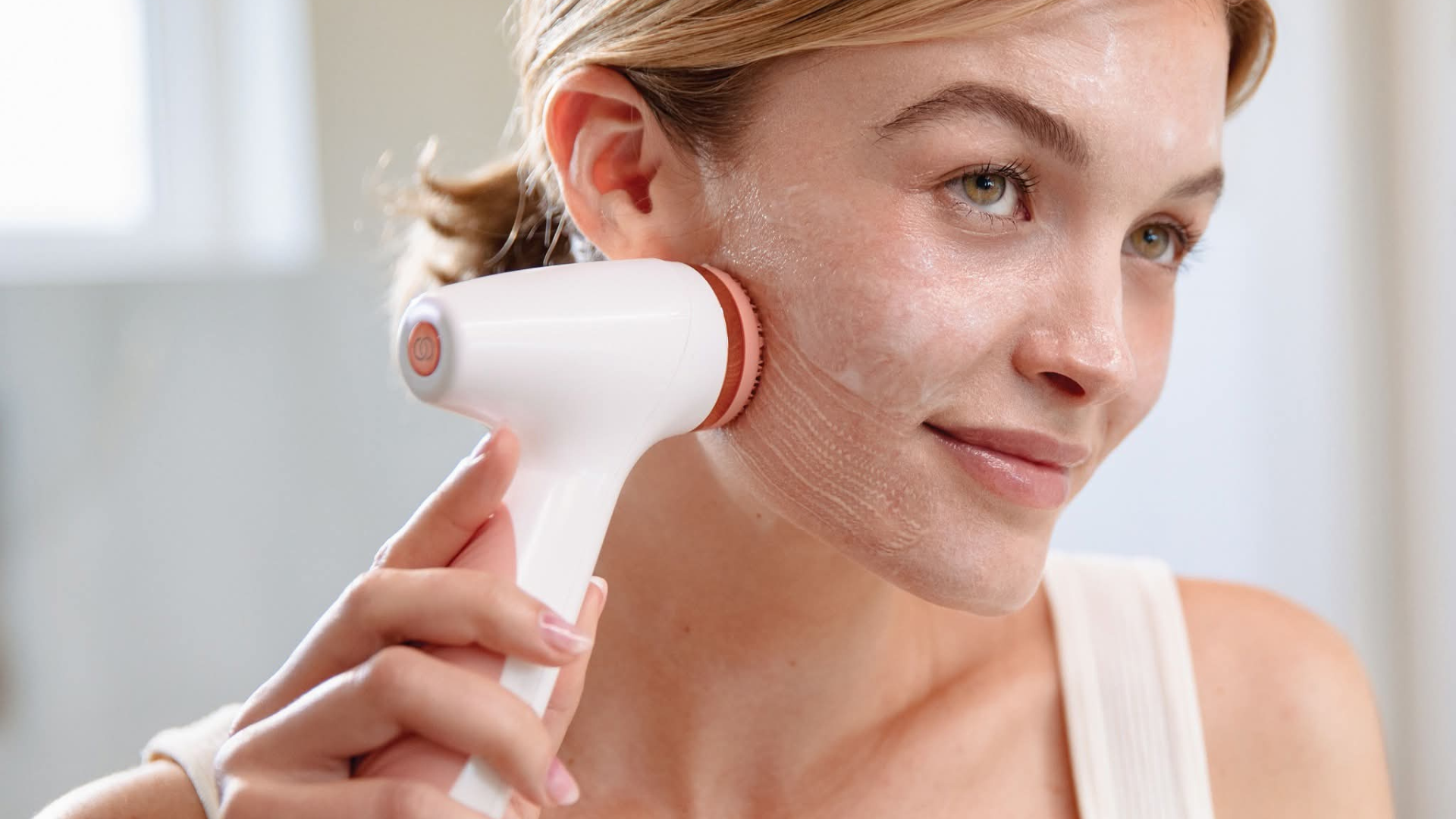
Facial Cleansing Device
Nu Skin ageLOC LumiSpa iO
The LumiSpa combines cleansing with a silicone treatment head and controlled movement designed for facial skin.
For someone who enjoys making skin care a ritual rather than simply washing and moisturizing, a device can also encourage greater consistency.
Best for: Someone looking to upgrade the cleansing step into a more intentional skin-care routine.

Facial Toning Device
Nu Skin ageLOC Galvanic Spa
An at-home beauty device designed to work with compatible topical products as part of a facial treatment routine.
Best for: People interested in adding beauty technology to their healthy-aging routine.
Supporting Skin From Within
Topical products are only one side of the equation.
For people who want to complement their skin-care routine nutritionally, certain supplements may be worth exploring.
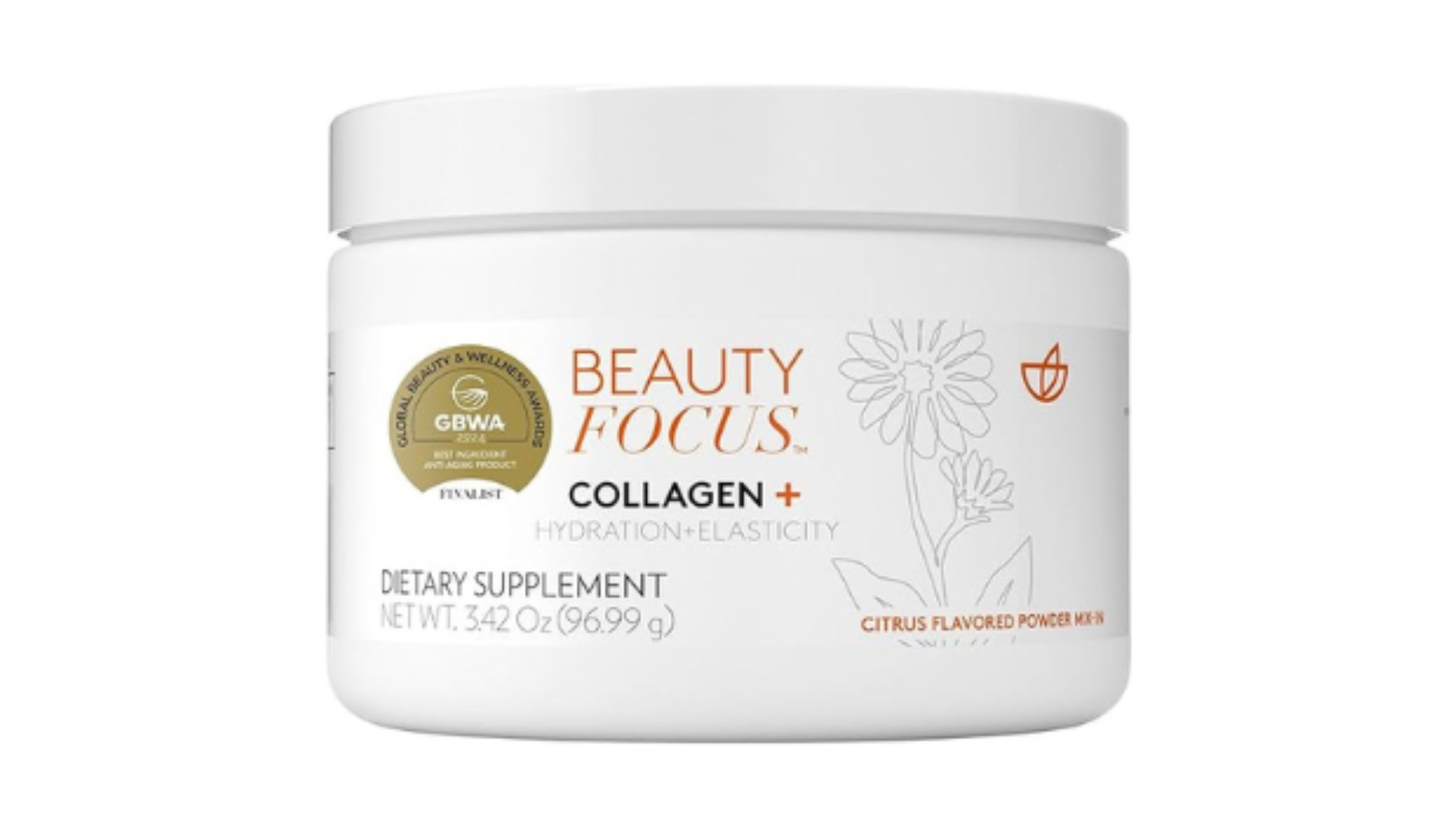
Before Buying Another Skin-Care Product
Ask yourself:
What problem am I actually trying to solve?
Dryness?
Sensitivity?
Uneven tone?
Acne?
Fine lines?
Sun protection?
Or simply maintaining healthy skin?
Once you know the goal, it becomes much easier to choose products intentionally.
The beauty industry often encourages us to keep adding.
Healthy skin care may sometimes require the opposite:
Simplify. Protect. Nourish. Be consistent.
Beauty Is Also a Reflection of Wellness
There is something interesting about the phrase beauty and wellness.
We often treat beauty as something happening on the surface and wellness as something happening inside the body.
But the two continuously interact.
The food we eat, the amount of water we drink, the quality of our sleep, our exposure to sunlight, movement, stress and emotional state all become part of the environment in which our skin lives.
Perhaps the goal of skin care shouldn’t be to constantly fight aging or chase perfection.
It can simply be to take care of ourselves well.
And when we do that consistently, healthy-looking skin can become one of the many outward expressions of inner well-being.
Important Note
The information on this page is intended for general educational purposes and is not medical advice. Skin conditions such as persistent acne, eczema, psoriasis, unexplained rashes, changing moles or other concerning symptoms should be evaluated by a qualified healthcare professional or dermatologist. Product results vary by individual, and ingredients that work well for one person may cause irritation or sensitivity in another. Introduce new products carefully and follow manufacturer directions.
Affiliate Disclosure: Some links on this page may be affiliate links. If you make a purchase through one of these links, we may receive a small commission at no additional cost to you. Product recommendations are selected for their relevance to the topic and are not intended as medical endorsements.