
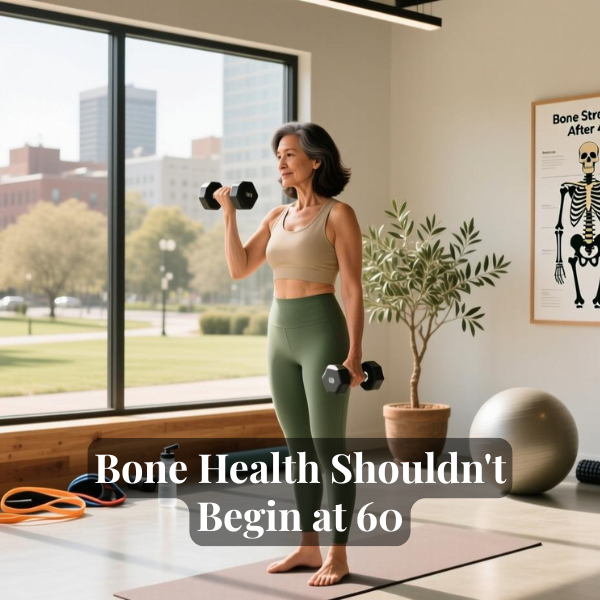
Bone Health Shouldn’t Begin at 60
Most of us don’t think much about our bones.
We think about our weight because we can see it.
We think about muscle because we can feel it.
We think about our skin because we look at it every morning.
Bones quietly do their work underneath all of it.
Until something happens.
A scan shows declining bone density.
Someone develops osteoporosis.
A seemingly ordinary fall causes a fracture.
Suddenly bone health becomes important.
But why wait until then?
Understand Your Body
Bone is living tissue.
Throughout life, bone is continuously being broken down and rebuilt.
We build much of our skeletal foundation earlier in life, while aging—and particularly hormonal changes associated with menopause—can accelerate bone loss.
That makes bone health a lifelong issue.
Genetics, age and hormonal changes aren’t things we can control.
But physical activity, nutrition, smoking, alcohol use and other lifestyle factors can influence bone health.
So the useful question becomes:
What can I still change?
Change What You Can
Begin by thinking beyond calcium.
Calcium matters.
But bone health is not a calcium-pill problem.
Bones respond to the forces we place on them.
Muscles matter because stronger muscles help us move, maintain balance and generate mechanical loading.
Balance matters because avoiding a fall is one way of avoiding a fracture.
Vitamin D matters because it contributes to calcium absorption and bone health.
Protein matters.
And lifestyle matters.
Smoking and excessive alcohol consumption can work against bone health.
This is why one supplement can never represent a complete bone-health strategy.
Eat to Support It
Food first remains a useful principle.
Calcium-containing foods can include dairy foods such as milk, curd/yogurt and some cheeses, as well as certain fortified foods and plant foods.
For people who don’t consume dairy, fortified alternatives and other calcium-containing foods become more important.
Vitamin D is somewhat different because it can be difficult to obtain sufficient amounts from food alone.
Individual needs can vary based on sun exposure, skin pigmentation, age, diet, health and other factors.
Rather than guessing, this can be a good conversation to have with a healthcare professional.
Don't Forget Protein
Bone doesn’t exist independently from muscle.
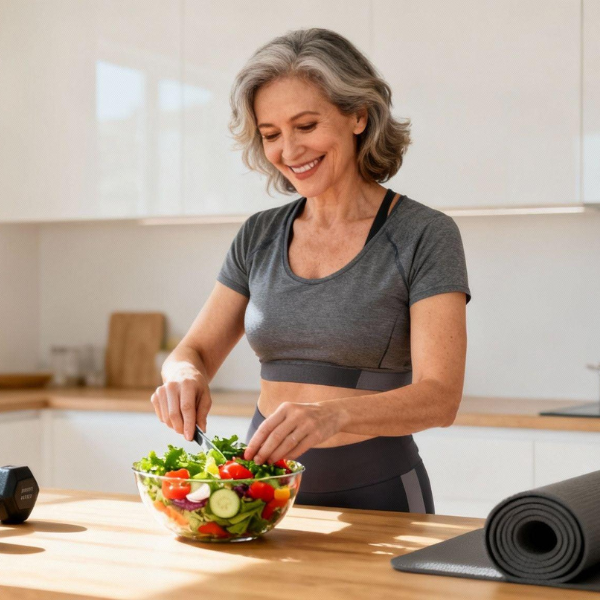
A diet that supports healthy aging should generally provide adequate protein alongside calcium-rich foods, vegetables, fruits and other nutrient-dense foods.
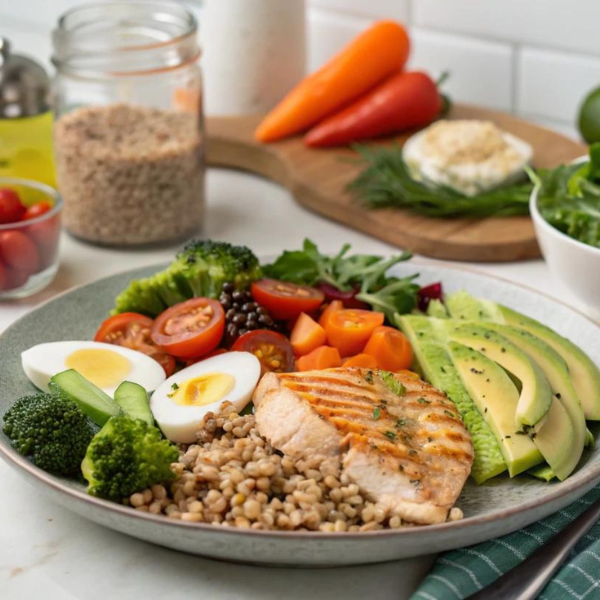
A Bone-Supportive Indian Day Might Include
Curd or another calcium-containing food.
Dal, beans, paneer, soy, eggs, fish or another protein.
Plenty of vegetables.
Whole grains.
Fruit.
Nuts and seeds.
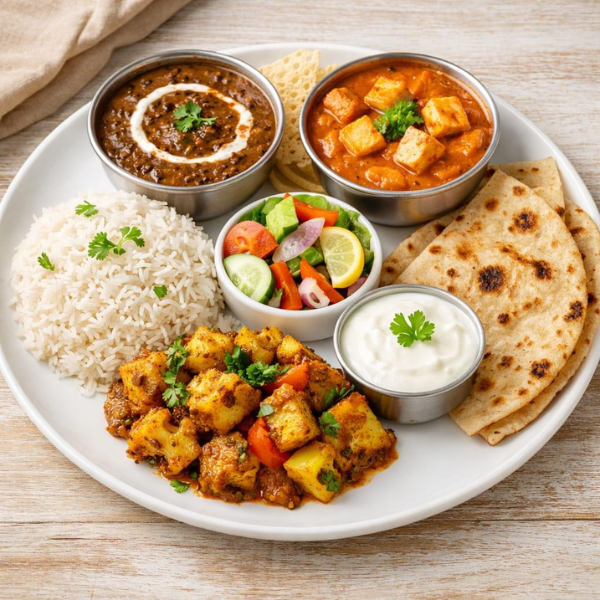
A U.S. Pattern Could Include
Milk, yogurt or fortified alternatives.
Beans, tofu, eggs, fish or poultry.
Vegetables.
Whole grains.
Fruit.
Nuts and seeds.
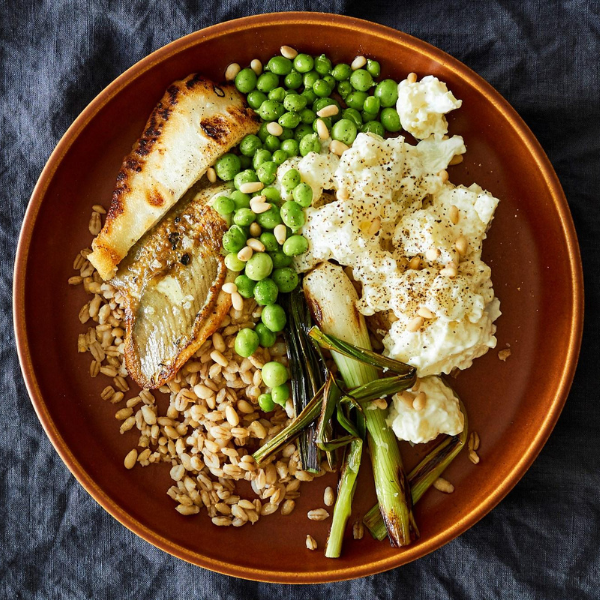
Again, the cuisines differ.
The nutritional principles don’t have to.
Move to Strengthen It
This is where bone health becomes more interesting.
Walking is valuable for overall health.
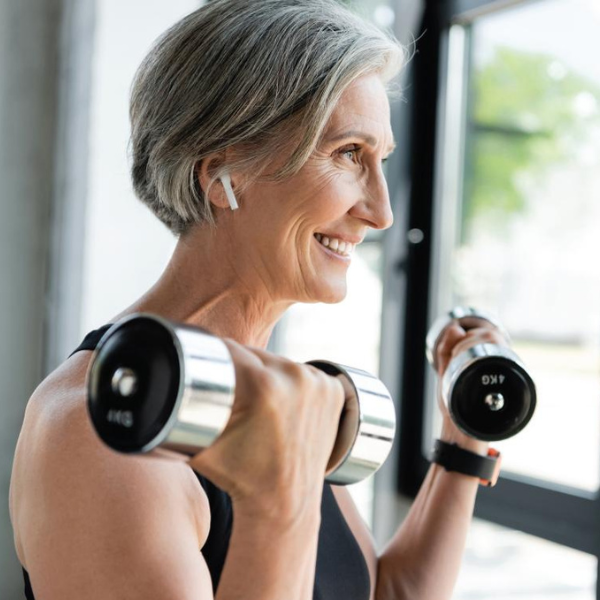
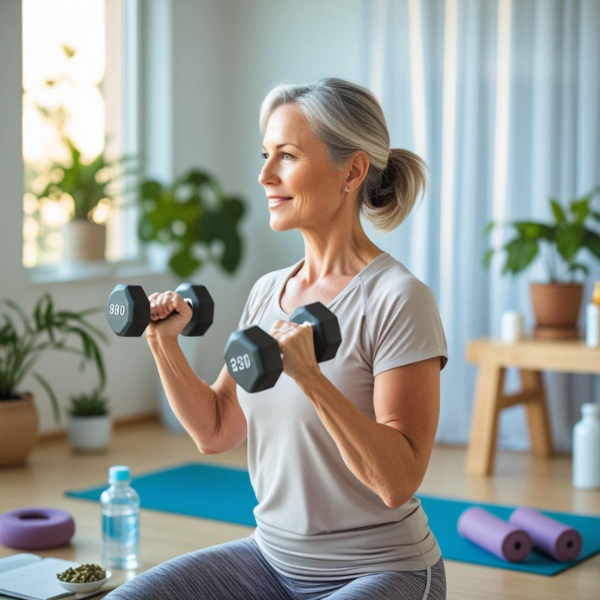
But bones also benefit from appropriate weight-bearing activity and resistance exercise.
Strength training gives muscles—and the skeletal system supporting them—a reason to adapt.
Depending on ability and medical status, activities can include:
walking;
stairs;
resistance training;
appropriate body-weight exercise;
and other weight-bearing activity.
Balance training becomes increasingly important too.
Because preventing fractures isn’t only about making bones stronger.
It’s also about reducing the chance of falling.
If you already have osteoporosis or significant bone loss, exercise selection becomes more important and should be guided appropriately.
Use Products Where They Genuinely Help
Products can help once we know what problem we’re solving.
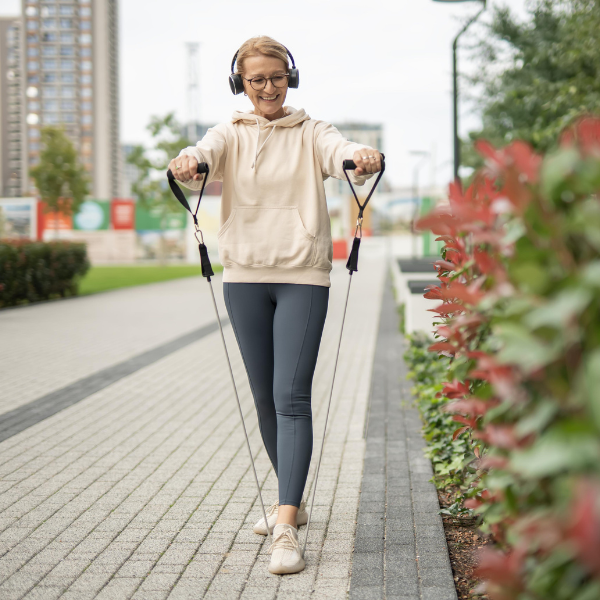
Resistance bands and weights can support strength training.
Supportive footwear can make regular movement more comfortable.
Calcium supplements can help when dietary intake is insufficient and supplementation is appropriate.
Vitamin D supplements can be useful when needed.
But more isn’t automatically better.
Taking large amounts of vitamins or minerals “just in case” isn’t the same as supporting health.
Know what you need.
Then fill the gap.
This is also an area where we can eventually recommend different products for India and the U.S. without changing the core article—because the health principle remains the same even when brands and retailers change.
Start Here This Week
Ask yourself three questions.
Am I regularly eating calcium-containing foods?
Am I doing any resistance or weight-bearing exercise?
Have I discussed bone-health screening with my healthcare provider when appropriate for my age and risk factors?
Then make one change.
Add a calcium-rich food.
Begin an appropriate strength routine.
Practice balance.
Take the stairs.
Schedule the conversation you’ve been postponing.
Our bones support almost everything we physically do.
Perhaps we shouldn’t wait until they become fragile before we return the favor.
**Bone health isn’t an old-age project.
It’s a lifetime investment.**
Bone-density screening, calcium and vitamin D needs and safe exercise recommendations depend on age, sex, medical history, medications and individual risk. People with osteoporosis or previous fractures should seek individualized professional guidance.