
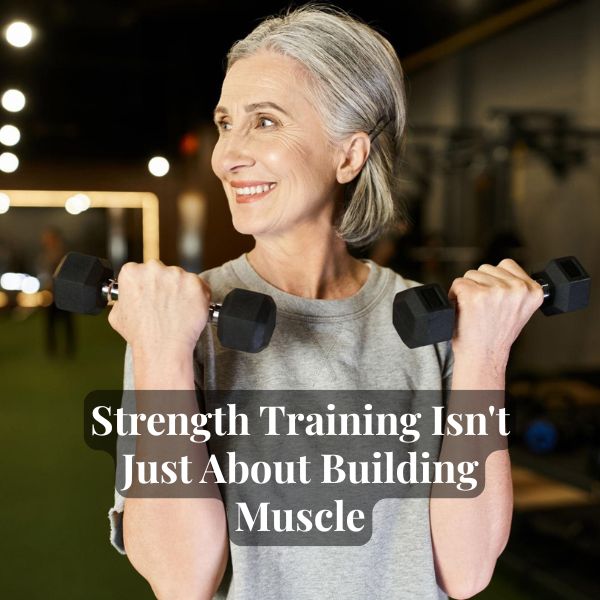
Strength Training Isn’t Just About Building Muscle
We often exercise to change how our body looks. What if we trained instead for what we want our body to keep doing?
For many people, particularly those who didn’t grow up around gyms, “strength training” still conjures a particular image:
Heavy weights.
Big muscles.
Bodybuilders.
Young men standing in front of mirrors.
But strength is much more ordinary—and much more important—than that.
Strength is carrying your suitcase through an airport.
Lifting a child.
Getting up from the floor.
Moving furniture.
Climbing stairs.
Maintaining balance when you stumble.
Carrying your own groceries when you’re 75.
Perhaps we need to stop thinking of muscle as something cosmetic and start thinking of it as something functional.
Understand Your Body
Muscle isn’t permanent simply because we built it when we were younger.
Without adequate physical challenge, muscle mass and strength tend to decline with age. Bone health also becomes increasingly important, particularly for women after menopause and for older adults generally.
The good news is that muscles respond to being challenged.
That doesn’t mean everyone needs to become a weightlifter.
It means the body needs reasons to remain strong.
Change What You Can
Begin by looking at your normal day.
How often do you lift something moderately challenging?
How often do you squat?
Push?
Pull?
Carry?
Reach?
Get down toward the floor?
Modern life has engineered many of these movements out of our routines.
We drive instead of walk.
Elevators replace stairs.
Machines carry loads.
Chairs keep us several feet above the ground.
Convenience isn’t inherently bad.
But when daily life stops challenging the body, deliberate exercise becomes more important.

Eat to Support It
Exercise provides the stimulus.
Food provides building materials.
Protein therefore deserves attention, particularly as we get older or begin resistance training.
Rather than obsessing over a single ideal number from the internet, start by asking whether each major meal contains a meaningful protein source.
Indian Protein Options
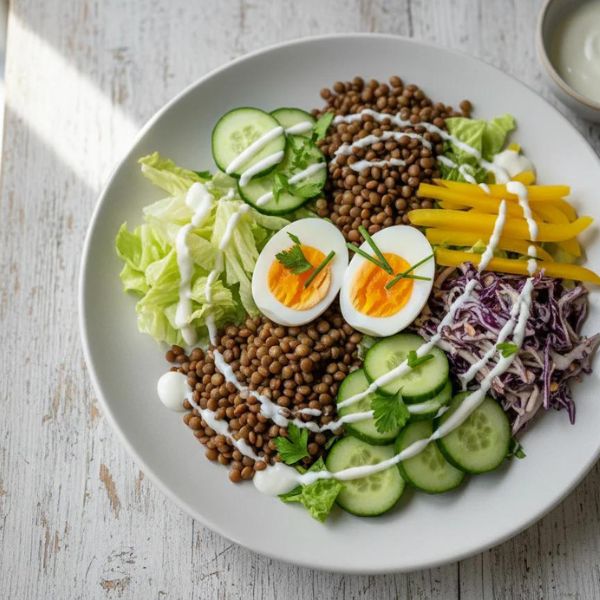
Dal and lentils.
Rajma and chana.
Soy foods.
Paneer and curd.
Milk, where appropriate.
Eggs.
Fish and poultry for those who eat them.
Nuts and seeds can contribute too, although they generally shouldn’t be treated as the sole primary protein source.

Other Familiar Options
Greek yogurt.
Cottage cheese.
Eggs.
Beans and lentils.
Tofu and tempeh.
Fish.
Chicken and other lean meats.
Protein-rich whole grains alongside legumes.
Build the rest of the plate with vegetables, fruit, quality carbohydrates and healthy fats.
You don’t need to eat like a bodybuilder.
You need to eat like someone asking their body to repair and maintain itself.

Move to Strengthen It
A basic strength routine doesn’t require a sophisticated gym.
The fundamental movements can be remarkably simple:
Sit and stand.
Push.
Pull.
Hinge.
Carry.
Step.
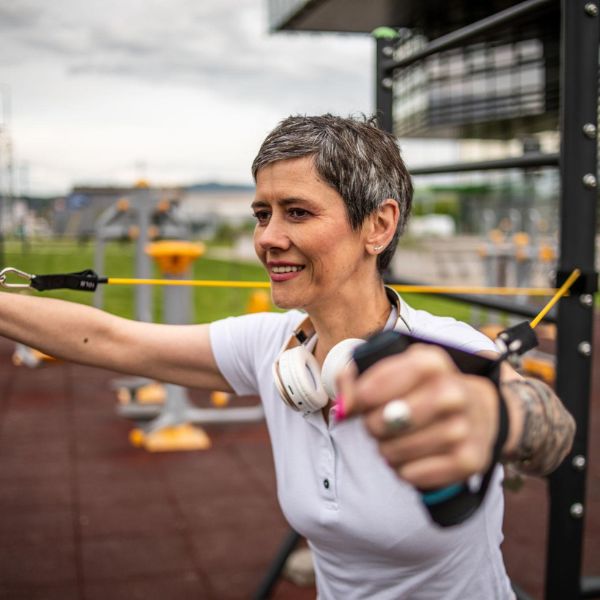
For a beginner, that might eventually translate into chair squats, wall or elevated push-ups, resistance-band rows, appropriate hip-hinge movements, carrying weights and step-ups.
Two or more strength-focused sessions per week can be a reasonable general goal for many adults, alongside aerobic activity, though individual needs and limitations vary.
Progress matters more than bravado.
The exercise should gradually become challenging enough that the body has a reason to adapt.
And technique matters.
If you’ve never trained before, getting qualified instruction can be far more valuable than buying complicated equipment.
Use Products Where They Genuinely Help
This is one wellness category where relatively inexpensive products can genuinely remove barriers.
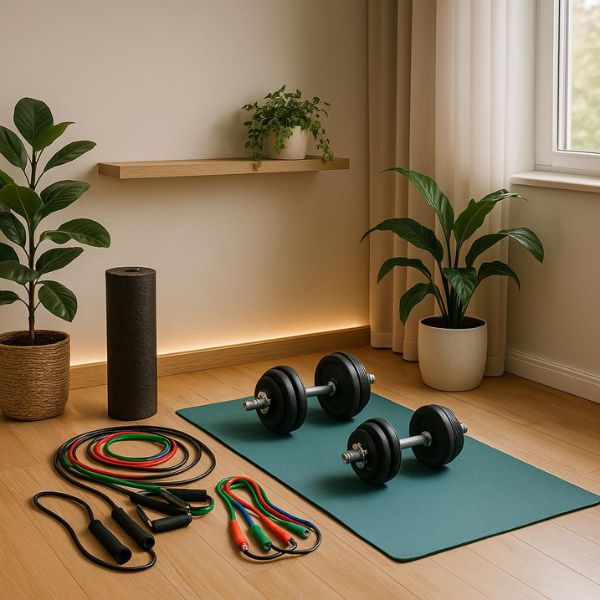
Resistance bands make pulling and resistance exercises accessible at home.
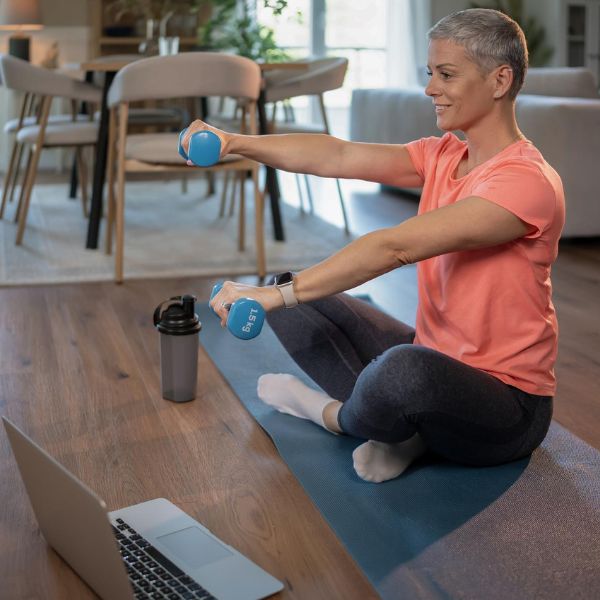
Dumbbells or adjustable weights allow gradual progression.
A stable exercise mat makes floor exercises more comfortable.
Supportive footwear can make walking and certain forms of training more comfortable.
Protein powders can provide convenience when meeting protein needs with food is difficult—but they are food supplements, not muscle-building magic.
A useful question before buying any fitness product is:
Will this make me more likely to consistently perform the behavior I need?
If a resistance band sitting beside your desk gets used three times a week, it may be more valuable than an expensive machine sitting unused in another room.
Start Here This Week
Don’t begin with a transformation challenge.
Choose a few simple movements appropriate for your current ability.
Practice sitting and standing from a chair.
Take a purposeful walk.
Carry your groceries when practical.
Add a basic resistance exercise.
And notice what feels difficult.
That’s not failure.
That’s information.
It tells you where you have an opportunity to become stronger.
We spend decades accumulating financial assets because we want security later in life.
Perhaps muscle, balance, mobility and bone strength deserve to be thought of similarly.
They are physical assets.
And unlike many things we buy for the future, we get to enjoy these assets today.
People with osteoporosis, significant joint problems, cardiovascular conditions, recent injuries or other medical limitations should obtain appropriate guidance before beginning or substantially increasing resistance exercise.