

Your Gut May Be Asking for More Than a Probiotic
Gut health isn’t something we buy in a bottle. It is something we support throughout the day.
Probiotics have become almost synonymous with gut health.
Walk through a pharmacy, supermarket or wellness store in India or the United States and you’ll find capsules, powders, drinks, yogurts and foods promising digestive support.
But there is a more useful question to ask before reaching for any of them:
How are we treating our gut the other 23 hours of the day?
Our digestive system responds to much more than a supplement. What we eat, how much fiber we consume, how varied our diet is, how much water we drink, how physically active we are, how quickly we eat, our sleep and even our stress patterns can influence digestive health.
So instead of beginning with What probiotic should I take?, perhaps we should begin somewhere else.
Understand Your Body
The gut isn’t simply a tube that processes food.
Our gastrointestinal tract is home to a vast community of microorganisms collectively called the gut microbiome. Diet and lifestyle can influence this ecosystem, while the gut itself plays important roles in digestion, metabolism and immune function.
Occasional bloating or changes in bowel habits can happen for many reasons. But persistent digestive problems shouldn’t automatically be diagnosed as a “bad microbiome” or treated by buying supplements.
Recurring pain, blood in the stool, unexplained weight loss, persistent diarrhea or constipation, or a major unexplained change in bowel habits deserves medical attention.
For everyday digestive wellness, however, there is quite a lot we can influence ourselves.

Change What You Can
Start with the basics.
Eat more slowly. Digestion begins before food ever reaches the intestines. Give meals time and attention instead of routinely eating while driving, standing or scrolling.
Drink enough water. Particularly as fiber intake increases, adequate fluid matters.
Create some consistency. Constantly skipping meals, overeating late at night and alternating between restriction and indulgence can make it difficult to understand what actually agrees with your body.
Sleep. Gut health and overall metabolic health do not exist separately from sleep.
Pay attention rather than obsess. Notice which foods repeatedly leave you feeling comfortable and which seem associated with symptoms.
The objective isn’t to create an ever-growing list of foods you are afraid to eat.
It is to understand your own patterns.

Eat to Support It
One of the simplest places to begin is fiber and food diversity.
Instead of asking whether a food is a “superfood,” ask:
How many different minimally processed plant foods am I eating across the week?
Vegetables, fruits, beans, lentils, whole grains, nuts and seeds all contribute different fibers and nutrients.
Traditional Indian eating can make this surprisingly easy.
Dal, rajma, chana, vegetables, whole grains, fruits, nuts, seeds and fermented foods such as curd can all fit naturally into a gut-supportive eating pattern.
A Western-style plate can accomplish exactly the same thing with beans, lentils, oats, whole grains, vegetables, berries and other fruits, nuts, seeds, yogurt and fermented foods.
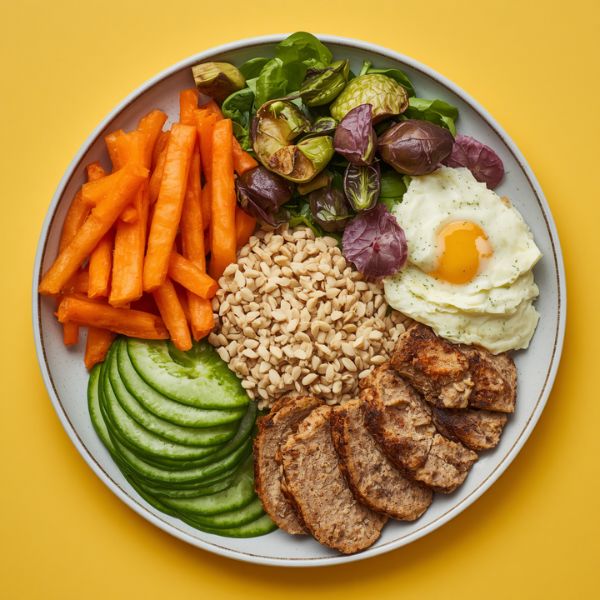
Build a Gut-Friendly Day
Breakfast
India: vegetable oats, idli with sambar, or moong chilla with vegetables and curd.
US: oatmeal with berries, nuts and seeds, or eggs with vegetables and whole-grain toast.
Lunch
India: dal or beans + sabzi + roti or rice + salad + curd.
US: lentils, beans, chicken or fish + a generous serving of vegetables + quinoa, brown rice or another whole grain.
Snack
Fruit with nuts, roasted chana, yogurt or another minimally processed option.
Dinner
Build around vegetables and a protein source, adding an appropriate portion of whole-food carbohydrate depending on your activity, preferences and health needs.
You don’t need the exact meals above.
Use the principle:
Plants + fiber + adequate protein + variety + hydration.
Increase fiber gradually if your current intake is low. Going from very little fiber to very high fiber overnight isn’t necessarily going to make your stomach happy.

Move to Strengthen It
Movement is an underrated part of digestive wellness.
A short walk after a meal is one of the simplest habits to experiment with. Regular physical activity also supports broader metabolic and cardiovascular health.
It doesn’t have to begin with an elaborate exercise program.
Walk.
Take the stairs.
Stretch.
Strength train.
Spend less of the day continuously sitting.
The digestive system is part of a moving human body—not a separate machine that only responds to what we swallow.

Use Products Where They Genuinely Help
Only now do products enter the conversation.
Depending on an individual’s diet and needs, useful tools might include:
- a fiber-rich food that makes increasing daily fiber easier;
- plain yogurt or other fermented foods containing live cultures;
- a probiotic with clearly identified strains when there is a specific reason for using one;
- convenient whole grains, seeds or other foods that make a healthier routine easier.
A supplement should answer a question.
What problem am I trying to solve?
If we cannot answer that, we probably shouldn’t begin with the product.

Start Here This Week
Don’t overhaul your entire diet.
Try three things:
Add one plant food to your day.
Take a short walk after one meal.
Notice—not judge—how your digestive system responds.
Do that consistently before adding another complicated wellness routine.
Because perhaps the best thing we can do for our gut isn’t constantly search for something new to put into it.
It is to become more thoughtful about how we live with it every day.
Wellness information is educational and isn’t a substitute for individualized medical advice. Persistent or concerning digestive symptoms should be discussed with a qualified healthcare professional.